Salkantay Trekking: Salkantay Trek To Machu Picchu Peru
Salkantay trekking represents one of the most visually striking routes to Machu Picchu, combining extreme altitude, ecological diversity, and a remote mountain setting along the Salkantay trail. The route reveals towering glaciers, high-altitude passes, and dense tropical vegetation within a continuous trekking corridor across the Andes. The Salkantay trek to Machu Picchu delivers a physically demanding journey that requires endurance and altitude preparation, as the trail reaches 4,600 meters and spans long daily distances across uneven terrain. Rising global demand highlights the Salkantay hike as a preferred alternative to the Inca Trail, driven by flexible access and immersive natural scenery that defines the ultimate Machu Picchu hike.
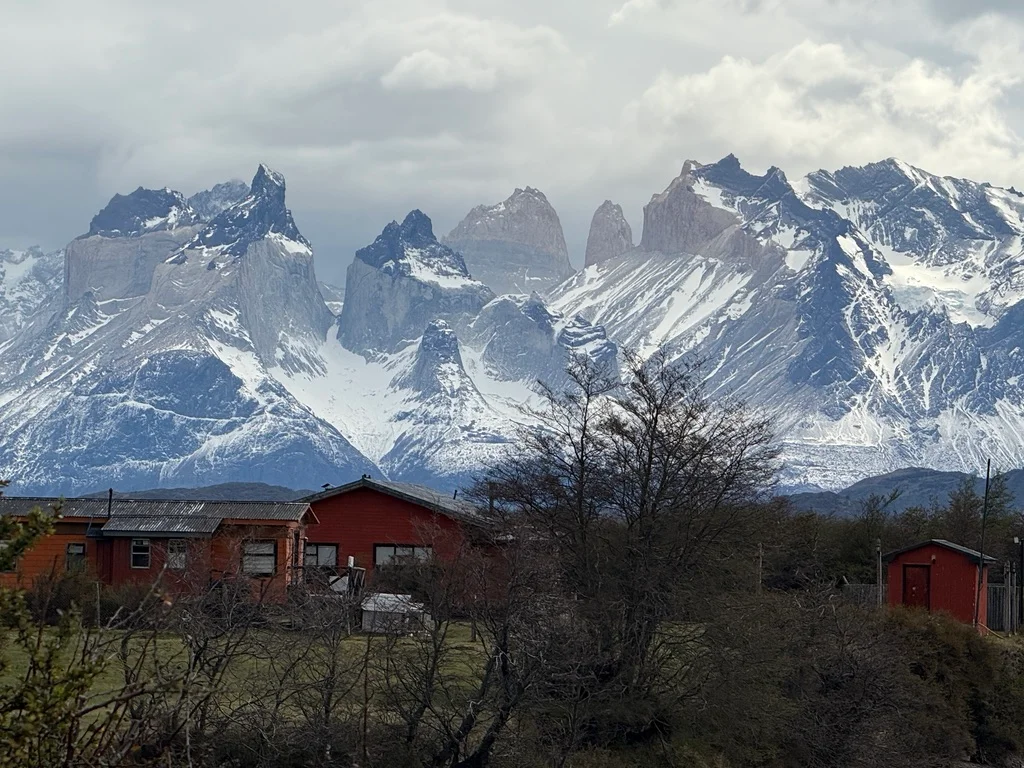
W Trek Patagonia to Torres del Paine, Chile
Discover the legendary W Trek Patagonia, a journey through Chile’s Torres del Paine National Park that reveals the soul of southern wilderness.
4,650 meters
Peak Altitude
70 to 75 kilometers
Total Distance
4 to 5 days
Duration
Why Choose the Salkantay Trek to Machu Picchu?
The Salkantay Trek delivers a multi-environment journey that links high mountain terrain to jungle landscapes while maintaining access without permit limitations. The route supports independent pacing, cultural exposure, and a direct connection to Machu Picchu without regulated entry quotas.
Authentic Mountain Culture
Local villages along the trail present traditional Andean lifestyles, agricultural systems, and daily routines rooted in highland communities.
Flexible Access Route
No government-issued permit requirement allows scheduling freedom across the year without quota restrictions tied to other routes.
Glacial and Alpine Views
Massive peaks dominate the skyline, including Mount Salkantay at 6,271 meters, alongside glacial lakes and expansive valleys.
Low Trail Congestion
Fewer trekkers create a quieter environment, allowing uninterrupted movement across remote sections of the Andes.
High Physical Challenge
Extended elevation gain, long distances, and oxygen reduction at altitude define the demanding nature of the trek.
Environmental Diversity
Terrain transitions from snow-covered passes to humid cloud forests, exposing trekkers to multiple ecosystems in a single route.
Trek Overview
The Journey
The Salkantay hike starts in Mollepata and progresses through Soraypampa toward the Salkantay Pass at 4,630 meters, where snow-covered peaks dominate the horizon. The descent leads into cloud forests filled with vegetation, waterfalls, and agricultural zones. Coffee plantations and rural settlements appear along the lower sections before the route connects to Aguas Calientes through a railway-side trail. The final stage reaches Machu Picchu, where the trek concludes with a guided site exploration.
Challenge Level
Difficulty: Moderate to Challenging. High elevation, steep ascents, and extended trekking hours require strong physical conditioning and altitude readiness.
Best Time to Visit: May to September marks the dry season with clearer skies and stable trail conditions. November to March introduces rainfall, reduced visibility, and muddy terrain.
Pro Tip:
Acclimatization in Cusco for 2 to 3 days supports oxygen adaptation and improves trekking performance across high-altitude sections.
Salkantay Trek Itinerary Options
The Salkantay Trek Itinerary options are listed below.
3-Day Express Trek
3 Days / 2 Nights
Moderate
Price range: $299 to $349
Trek Highlights
Humantay Lake ascent with glacier views
Salkantay Pass traverse
Hot springs at Santa Teresa
Train to Machu Picchu
Package Includes
6 meals (2 breakfasts, 2 lunches, 2 dinners)
2 nights accommodation (mountain camp and hotel stay)
Professional guide
Porter Service
Day-by-Day Itinerary
Day 1: Cusco – Soraypampa – Humantay Lake exploration
Day 2: Salkantay Pass – Colpapampa – Santa Teresa valley
Day 2: Salkantay Pass – Chaullay – cloud forest descent
Day 3: Jungle route – La Playa – Lucmabamba camp
Day 4: Hydroelectric – Aguas Calientes – Machu Picchu exploration
5-Day Premium Trek
5 Days / 4 Nights
Moderate
Price range: $549 to $699
Trek Highlights
Acclimatization day included
Extended Humantay Lake camping
Multiple ecological zones
Local community visits
Premium camping equipment
Extended Machu Picchu exploration
Package Includes
14 meals
4 nights of premium lodging
Private expert guide
Full porter service
Machu Picchu & Huayna Picchu
Small group max 8 people
Day-by-Day Itinerary
Day 1: Cusco – Mollepata – Soraypampa – Humantay Lake camp
Day 2: Salkantay Pass – Huayracmachay – Chaullay camp
Day 3: Jungle trek – La Playa – Lucmabamba camp
Day 4: Hydroelectric – Aguas Calientes hotel stay
Day 5: Machu Picchu guided tour – optional Huayna Picchu climb – return to Cusco
Salkantay Trek Difficulty
The Salkantay Trek is considered a challenging adventure due to its high altitude, rugged terrain, and long hiking days. The trek reaches its highest point at Salkantay Pass, which is at an elevation of 4,650 meters (15,255 feet). At this altitude, trekkers may experience symptoms of altitude sickness, making proper acclimatization essential. The terrain includes steep ascents, rocky paths, and dramatic elevation changes, ranging from snow-capped mountains to tropical valleys. With daily distances of 14-22 kilometers and hiking durations of 6 to 9 hours, the trek requires good physical conditioning and mental resilience.
Maximum Altitude
4,650 meters (15,255 feet) at Salkantay Pass
Total Distance
76 kilometers (47 miles)
Trek Duration
4 to 5 days (depending on itinerary)
Overall Rating
Challenging
The Difficulty of the Salkantay Trek by Fitness Level
Fitness Level
Difficulty Rating
Recommendation
Preparation Time
Details
Beginner
Very Challenging
Not Recommended
6+ months of intensive training
High altitude (up to 4,650m) and steep terrain make the trek extremely difficult for beginners.
Intermediate
Challenging
Possible with Prep
3–4 months training
Achievable with proper acclimatization and conditioning. Expect fatigue and altitude effects.
Advanced
Moderate
Recommended
1–2 months training
Well-suited for experienced hikers. Manageable with pacing and altitude awareness.
Expert
Manageable
Highly Recommended
Maintain regular fitness
Comfortable experience for seasoned trekkers. Altitude is the main challenge.
Overall Difficulty Assessment
The Salkantay Trek is considered challenging because of its high altitude, long daily distances, and rugged terrain. Difficulty arises from reduced oxygen levels above 4,000 meters combined with steep ascents and descents. Climatic variation, ranging from snow‑covered passes to humid jungle, adds further strain on trekkers
Day by Day Difficulty Breakdown of the Salkantay Trek
Day
Distance
Duration
Max Altitude
Elevation Change
Difficulty
Terrain Type
Day 1
14 km
6–7 hours
3,800 m
+800 m
Moderate
Gradual climbs through valleys and campsites
Day 2
22 km
8–9 hours
4,650 m
+850 m / -1,500 m
Very Challenging
Steep ascent to Salkantay Pass, long descent into cloud forest
Day 3
16 km
6–7 hours
2,900 m
-700 m
Moderate
Jungle paths, river crossings, humid conditions
Day 4
18 km
7–8 hours
2,400 m
-500 m
Moderate
Rolling jungle terrain, coffee plantations, village paths
Day 5
Travel day
2–3 hours
2,000 m
Not applicable
Easy
Train/bus travel and Machu Picchu visit
Note: Day 2 is the most demanding, with the highest altitude point and the longest sustained descent.
Physical Challenges and Mitigation on the Salkantay Trek
Challenge Category
Maximum Exposure
Severity
Potential Symptoms
Mitigation Strategies
Altitude
4,650 m
Very High
Headache, nausea, dizziness, shortness of breath
Spend several days acclimatizing in Cusco, ascend slowly, hydrate frequently
Distance
Up to 22 km daily
High
Muscle fatigue, blisters, joint stress
Use broken-in boots, pace evenly, stretch daily
Terrain
Steep rocky passes
High
Knee pain, ankle strain, slips
Use trekking poles, wear supportive boots, watch foot placement
Weather
Freezing nights, strong sun
High
Hypothermia risk, sunburn, dehydration
Dress in layers, apply sunscreen, carry rain gear
Remote Camps
Limited facilities
Moderate
Fatigue, stomach discomfort
Maintain hygiene, rest well, treat water
Altitude Sickness Warning
Acute Mountain Sickness (AMS) commonly occurs above 4,000 meters, with symptoms (severe headache, nausea, loss of appetite, and sleep disturbances). Breathing difficulty or worsening symptoms require immediate descent to lower altitude.
Success Tips
Maintain a slow, steady hiking pace, fuel your body with carbohydrate‑rich meals, and clearly communicate any symptoms to your guides. Rest during peak sun hours to prevent exhaustion, and carry electrolytes to stay consistently hydrated throughout the journey.
Fitness Requirements and Training Guide for the Salkantay Trek
Fitness Aspect
Requirement Level
Recommended Training
Cardiovascular Endurance
Very High
Jogging, cycling, or swimming 45–60 minutes several times weekly
Leg Strength
Very High
Squats, lunges, stair climbing with weighted backpack
Core Stability
High
Planks, balance exercises, weighted carries
Mental Resilienc
High
Long hikes in mixed weather, practice discomfort tolerance
Altitude Tolerance
Variable
Early arrival in Cusco with acclimatization hikes
3 Month Training Plan
Months 1 to 2: Build cardio fitness with regular workouts and begin leg strength training. Complete weekend hikes between 10 and 15 km.
Month 2: Increase workout length and add a weighted backpack to hikes. Practice hiking on consecutive days.
Month 3: Maintain conditioning while reducing injury risk. Complete one long hike over 20 km three weeks before departure.
Essential Preparation for Salkantay Trek
Practice multiple hikes longer than 15 km.
Train with a backpack matching trek weight.
Break in hiking boots fully.
Test clothing and gear before travel.
Strengthen ankles and knees.
Schedule a medical checkup.
Confirm vaccinations.
Practice hydration and trail nutritio.
The Salkantay Trek to Machu Picchu is physically demanding due to its high altitude, extended trekking hours, and diverse terrain. The trek reaches an elevation of 4,650 meters (15,255 feet) at Salkantay Pass, posing potential challenges from altitude sickness. Daily hiking distances average 10 to 20 kilometers with durations of 6 to 8 hours, requiring trekkers to be prepared for steep ascents and descents. The constantly changing environments, from cold, snow-capped peaks to humid jungle valleys, demand strong endurance and stamina.
Proper acclimatization is essential to reduce the risk of altitude-related issues. Spending a few days in Cusco or a similar high-altitude area is recommended before starting the trek. Additionally, a well-prepared fitness regimen (cardiovascular exercises) helps to build stamina for the trek's strenuous pace. Trekkers with adequate preparation tackle the challenges of the Salkantay route confidently, understanding the Salkantay Trek Difficulty as a rigorous but rewarding adventure.
The Salkantay Trek to Machu Picchu lasts between 3 and 5 days, depending on the chosen itinerary. The most common option is the 5-day trek, which allows trekkers to experience the full range of landscapes and provides ample time for acclimatization at higher altitudes. The extended option is popular for those who want to take in the full scenery of the Andes (Humantay Lake and the Salkantay Pass).
For travelers with less time, a 4-day version of the trek is available, offering a slightly faster pace but still covering the key highlights of the route. The 3-day trek is the shortest option, focusing on the most essential parts of the trail, including a quick ascent to Salkantay Pass and a direct route toward Machu Picchu via the railway. Each option includes a combination of hiking and transport, allowing trekkers to tailor the duration based on their schedule and fitness level.
No, the Salkantay Trek is not suitable for beginners due to its high altitude, challenging terrain, and long daily hiking hours. The trek involves steep ascents and descents, including the Salkantay Pass at 4,650 meters, which can be difficult for those unaccustomed to high-altitude trekking.
For first-time trekkers, proper preparation is essential. Cardiovascular training, strength exercises, and long-distance hikes will help build endurance. Acclimatizing by spending a few days in Cusco or a similar high-altitude area before starting the trek is also necessary. Opting for a longer itinerary, such as the 5-day option, allows for gradual pacing and better adaptation to the altitude, making it more manageable for beginners.
When is the Best Time to Do the Salkantay Trek?
The best time to do the Salkantay Trek is during the dry season, which runs from May to September. The period offers the most favorable trekking conditions with clear skies, breathtaking mountain views, dry trails, and optimal hiking temperatures. The stable weather during these months allows trekkers to experience the trek at its best, making it the most popular time for adventurers. The dry season, despite being the peak season, is ideal for trekkers seeking reliable weather and excellent scenery. June and July providing the most stable conditions, though temperatures can drop significantly at night aligning closely with the Best Time To Hike And Climb Machu Picchu.
Dry Season
May to September
The dry season is the perfect time for the Salkantay Trek, offering clear skies and minimal rainfall, making for great hiking conditions.
Pros
Clear skies with spectacular views of the mountains
Minimal rainfall, resulting in dry and stable trails
Excellent photography opportunities with optimal visibility
Reliable and predictable weather patterns
Ideal conditions for hiking, making it the best time to experience the trek
Cons
Increased trail and campsite congestion due to higher numbers of trekkers
Higher costs for tours, accommodations, and services
Colder nighttime temperatures, especially in June and July
More competition for permits and bookings for Machu Picchu
Dustier trails later in the season
Need to plan and book well in advance to secure spots
Wet Season
October to April
While the wet season brings fewer crowds, it also presents more challenging conditions for trekking.
Pros
Fewer crowds on the trails and at campsites, allowing for a more serene experience
Lower prices for tours, accommodations, and services
Lush, green landscapes with vibrant flora, offering a different trekking experience
Warmer nighttime temperatures compared to the dry season
Cons
Heavy rainfall creates muddy and slippery trails, making the trek more difficult
Reduced visibility due to frequent cloud cover, limiting mountain views
Increased risk of landslides and trail closures due to unstable conditions
Unpredictable weather, making trekking conditions less reliable
Limited photography opportunities due to overcast skies and rainfall
Salkantay Trekking FAQs
The Salkantay Trek is a high-altitude hiking route in Peru that leads trekkers through the Andes Mountains to the iconic Machu Picchu. The trail spans approximately 72 kilometers (45 miles) and passes through diverse ecosystems, from snow-capped peaks at over 4,600 meters (15,255 feet) to lush cloud forests and tropical valleys. Salkantay Trek is considered an alternative to the traditional Inca Trail, offering a more remote and scenic journey to one of the world’s most famous archaeological sites.
The trek lasts 3 to 5 days, depending on the chosen itinerary, and includes varied terrain (alpine meadows, glacial lakes, and dense forests). Salkantay Trek is known for breathtaking views of Salkantay Mountain at 6,271 meters, the region’s second-highest peak, and its proximity to the historic site of Machu Picchu. The route is physically demanding, requiring strong fitness and acclimatization to the high altitudes. Trekkers experience both challenging climbs and steep descents, making the trek a true test of endurance.
The Salkantay Trek has grown in popularity due to its dramatic landscapes, less crowded trails, and the opportunity to experience a unique adventure through the Andean mountains. Salkantay Trek does not require permits or face access limits, offering trekkers more flexibility in planning their journey. The Inca Trail requires permits with restricted access, making it more regulated. The combination of snow-capped peaks, diverse ecosystems, and the rewarding final destination of Machu Picchu makes it an appealing choice for those seeking a less conventional and more challenging trek.
The route offers a blend of rugged adventure and cultural immersion, allowing trekkers to interact with local communities, witness traditional farming practices, and explore untouched natural beauty. The chance to cross the Salkantay Pass and enjoy the stunning views of the Andean peaks attracts adventure seekers, while the option to see Machu Picchu from a quieter, more intimate approach adds to its allure. The combination of accessibility, natural beauty, and cultural connection drives its increasing popularity among trekkers worldwide.
No, the Salkantay Trek is not considered the best route to Machu Picchu for everyone. Salkantay Trek offers a stunning, remote experience with diverse landscapes, but it is more physically demanding and requires higher fitness levels compared to routes like the Inca Trail.
The Inca Trail remains the most popular and iconic route to Machu Picchu, largely due to its historical significance and the fact that it passes through several Inca archaeological sites before reaching Machu Picchu. The Inca Trail is well-maintained, clearly marked, and regulated by a strict permit system that limits crowds while providing a unique cultural experience. Salkantay Trek is favored by those seeking a more challenging adventure, offering breathtaking views of Salkantay Mountain and greater exposure to untouched nature. Salkantay is less crowded but physically demanding, with steep ascents and higher altitudes that may not suit everyone. The “best” route depends on personal preference, fitness level, and the type of trekking experience a traveler seeks.
The Salkantay Trek and the Inca Trail both lead trekkers to Machu Picchu, but they differ significantly in terms of terrain, difficulty, and the experience they offer. The Inca Trail is the more traditional route, known for its historical significance as it passes through several Inca ruins before reaching Machu Picchu. It is well-regulated with limited permits, offering a controlled, quieter experience and a historical journey. The Inca Trail also tends to be less physically demanding, with well-marked paths and steady elevation gain.
Salkantay Trek offers a rugged and remote experience with dramatic high-altitude mountain passes and varied ecosystems. Salkantay Trek is more physically challenging due to steep climbs, long hiking days, and the crossing of the Salkantay Pass at 4,650 meters. The Salkantay route is less crowded since it does not require permits, allowing trekkers to enjoy a more tranquil, immersive experience. The Inca Trail is well-maintained, clearly marked, and regulated by a permit system that limits crowds while providing a unique cultural experience. Salkantay Trek offers a more rugged adventure, with breathtaking views of Salkantay Mountain and greater exposure to untouched nature. Salkantay is less crowded but physically demanding, with steep ascents and higher altitudes that challenge fitness levels. Inca Trail emphasizes history and structure, while Salkantay emphasizes wilderness and endurance. The choice between the two depends on personal preference, fitness, and the type of trekking experience a traveler seeks.
The Salkantay Trek differs from the Inca Trail in several ways, most notably in terms of terrain and accessibility. The Inca Trail is famous for its archaeological value, passing through Inca ruins such as Wiñay Wayna and the Sun Gate before reaching Machu Picchu. The trail is heavily regulated with a permit system, limiting the number of trekkers each day and providing a more controlled, quieter experience.
The Salkantay Trek is more rugged and physically demanding, passing through alpine landscapes, glacial lakes, and dense cloud forests. Salkantay Trek reaches higher altitudes, with trekkers crossing the Salkantay Pass at 4,650 meters, which adds to the difficulty. The Salkantay Trek does not require permits, making it more accessible and less crowded, but it also means trekkers will encounter a more remote and less developed trail. Both routes lead to Machu Picchu, but the Salkantay Trek offers a greater variety of landscapes, while the Inca Trail delivers richer cultural and historical experiences.
The Salkantay Trek and the Lares Trek both offer alternative routes to Machu Picchu, but they differ significantly in the type of experience they provide. The Lares Trek is known for its cultural immersion, as it passes through small Andean villages where trekkers can interact with local communities and learn about traditional farming methods and lifestyles. Inca Trail is less physically demanding than the Salkantay Trek, with fewer high-altitude challenges and shorter daily distances, making it more suitable for beginners or those seeking a less strenuous trek.
The Salkantay Trek is more challenging due to its high-altitude passes and longer hiking days. Salkantay Trek offers dramatic alpine scenery with glaciers, mountains, and lakes, contrasting with the more subdued landscapes of the Lares Trek. Lares Trek emphasizes cultural experiences, while Salkantay highlights natural beauty and adventure across ecosystems from snowy peaks to tropical valleys. Both lead to Machu Picchu, but Salkantay demands greater physical endurance, while Lares provides a deeper cultural connection with local communities.
The Salkantay Trek cost varies widely based on itinerary length, level of service, and included logistics, with most guided group tours ranging from around $300 to $700 per person for standard 4‑ or 5‑day options (meals, guides, camping or basic accommodation, and transportation). Smaller operators often offer departures starting near $280 to $300 per person for classic 4‑day group treks, while more comprehensive services (Machu Picchu entry, train transfers, and better accommodations) push prices toward $650 and above, and premium or extended packages can exceed $900 per person depending on inclusions and private group arrangements.
Costs outside the core trek package also apply, such as entrance tickets for local attractions along the route (Humantay Lake) at around 20 soles (~6 USD for foreigners), paid on‑site. Additional expenses like optional Huayna Picchu or Machu Picchu Mountain climbs, extra nights of accommodation, equipment rental, or premium train upgrades add to the overall Machu Picchu hike cost and broader Machu Picchu trip cost on top of the baseline trek price.
A typical Salkantay Trek tour package costs between $300 and $700 per person for standard group itineraries (guided trekking, meals, accommodation) (camping or basic lodges), and essential logistics. Lower‑end packages around $300 to $350 focus on core trekking services with shared camping, basic meals, and group guides. Mid‑range options around $400 to $550 include better food, mixed camping and lodge stays, and more comprehensive support services. Higher‑end guided tours (upward of $650 to $900) provide upgraded lodges, private or small group experiences, richer meal plans, and additional transport or acclimatization support.
The total cost reflects the length of the itinerary, quality of accommodations, inclusion of transportation (trains or vehicles), and additional benefits like porter services or bilingual guides. Independent travelers who book components separately (DIY camping, own meals, separate Machu Picchu tickets) could spend less upfront but take on more logistical planning. Side expenses (gear rental), optional activities (hot springs, Huayna Picchu climb), and extra nights in Cusco increase the overall Salkantay Trek cost beyond the base tour price.
A Salkantay Trek 5-day tour typically costs around $500 to $900 per person for a guided experience that covers meals, accommodation, guides, transport logistics, and standard services. Lower-end group options near $500 to $600 include shared camping, basic meals, bilingual guide services, and train or bus transfers to and from Machu Picchu. Mid-range packages around $650 to $750 offer improved meals, a mix of camping and lodge stays, and upgraded support (porter or mule assistance). Higher-end 5-day Salkantay trek experiences priced $800 to $900+ provide upgraded accommodations (better lodges or boutique camps), smaller group sizes, premium meals, and additional inclusions like private transport or extended support staff.
The total price depends on the level of comfort, group size, and extras included in the itinerary. Optional add-ons (gear rental, hot springs stops) or upgrades to first-class train tickets increase the overall Machu Picchu 5-day hike cost beyond the base tour price. Independent trekkers who manage segments themselves incur lower base costs but take on added logistical planning and separate bookings for transport and Machu Picchu entry.
Yes, booking the Salkantay hike in advance can lead to discounts, ranging from 5% to 15% off standard prices. Early bookings allow trekkers to secure preferred dates, better accommodations, and additional benefits like free upgrades or extra services. Booking ahead also avoids higher prices and limited availability closer to departure, especially during peak season, ensuring a more affordable Machu Picchu 5-day hike.
No, Evolution Treks Peru does not publicly advertise regular discounts for the Salkantay hike or Inca Trail Tour on its official site, most pricing displayed for these routes is standard listed rates without promotional pricing shown. The company lists set prices for its Salkantay and Inca Trail tours, including combination packages, but there is no indication of ongoing deals or discount codes for early booking or off‑season specials.
Tour operators sometimes offer bespoke or seasonal discounts privately when contacted directly, especially for groups or extended stays. Reaching out to Evolution Treks Peru before booking could reveal unpublished offers or group rate adjustments, but based on publicly available information, the Inca Trail Tour and Salkantay trek 5-day packages are presented at fixed prices rather than discounted promotional rates.
The available camping lodges during the Salkantay Trek to Machu Picchu are listed below.
Soraypampa Lodge:
A comfortable lodge located at the beginning of the trek, offering warm meals and a peaceful environment before tackling the higher altitudes of the Salkantay Pass. It’s the first stop for trekkers, offering breathtaking views of the surrounding peaks.
Chaullay Lodge:
Situated at the transition between high-altitude and cloud forest zones, this lodge offers a cozy stop with scenic views and opportunities to interact with local communities. It marks the beginning of the descent into the lush, tropical cloud forest region.
Lucmabamba Lodge:
Located in a more tropical area, this lodge offers a unique jungle experience, with lush surroundings and a relaxed atmosphere to help trekkers recover after long days of hiking. It is a peaceful retreat in the midst of the Andean jungle.
Santa Teresa Lodge:
Near the village of Santa Teresa, this lodge offers a more luxurious stay with better amenities, ideal for trekkers seeking a bit more comfort after a physically demanding trek. It’s located near the famous hot springs, which can be enjoyed after a day of hiking.
Colpa Lodge:
Located at a lower altitude, this lodge offers a more rustic experience. It’s perfect for trekkers who wish to experience the quieter side of the trek while enjoying views of the cloud forest and rivers.
Aguas Calientes Lodge:
Located at the end of the trek, this lodge provides a relaxing spot to rest before visiting Machu Picchu. It offers a variety of modern comforts, including hot showers and comfortable rooms, for trekkers to unwind before their final day of exploration.
Yes, most tour operators provide meals during the Salkantay Trek to Machu Picchu as part of their standard packages. Operators include breakfast, lunch, and dinner on trekking days to ensure trekkers receive adequate nutrition for the physically demanding route. Meals are prepared by support staff at campsites or lodges and are designed to meet the energy needs of hikers, featuring staple Andean ingredients, warm soups, rice and pasta dishes, and fruits.
Meal service upgrades the trekking experience by eliminating the need for trekkers to carry their own food supplies and by providing consistent, safe meals in remote areas. Breakfasts are often served before early departures, lunches are packed for long hiking days, and dinners are offered after daily trekking is completed for recovery. Hydration (water or tea) is available throughout the route, though some operators require trekkers to purify water from natural sources. Overall, including meals in the package simplifies logistics and supports the physical demands of the trek, making salkantay trekking cost more predictable and organized.
The Salkantay Trek to Machu Picchu does not require the same permits as the Inca Trail, which has strict government quotas. Trekkers still need a few essential permits to complete the journey. The primary permit is the Machu Picchu entry ticket, which grants access to the archaeological site. The ticket is included in most guided trek packages but must be purchased in advance through official channels, with entry times scheduled in advance. The Salkantay Trek does not require a specific trekking permit, as the route is open to the public year‑round, making it more flexible than the Inca Trail. Trekkers must arrange logistics through a tour operator that provides essential services such as guides and camping equipment.
Trekkers need a train ticket to reach Aguas Calientes, the closest town to Machu Picchu, at the end of the trek. Guided tours include the Machu Picchu entry ticket, but independent trekkers can purchase it separately. Trekkers who wish to climb Huayna Picchu or Machu Picchu Mountain for panoramic views must secure a separate permit, which is limited and should be booked well in advance. The Salkantay Trek has fewer permit requirements than the Inca Trail, yet trekkers still need the Machu Picchu entry ticket and may require additional permits if they plan to explore other parts of the site.
Yes, there are park and entrance fees associated with the Salkantay Trek to Machu Picchu. The trek itself does not require a specific park permit like the Inca Trail, but trekkers must purchase a Machu Picchu entry ticket, which is mandatory to visit the site. The cost of the ticket varies based on the type of visit, with standard tickets allowing access to the main citadel and additional tickets available for extra attractions like Huayna Picchu or Machu Picchu Mountain. The tickets should be booked in advance, as they are limited, especially during peak seasons.
The Machu Picchu entrance fee, some sections of the Salkantay Trek pass through private lands or protected areas (Humantay Lake), where trekkers may be required to pay a small fee (around 10 to 20 soles) to access the area. The fees maintain the trails and provide facilities for visitors along the route. The main park and entrance fee applies to Machu Picchu itself, while smaller fees may be charged for specific attractions during the trek.
No, it is not recommended to do the Salkantay Trek without a guide, for those who are not experienced trekkers. Hiking the route independently is technically possible, but the trek involves challenging terrain, high altitudes, and remote areas where navigation becomes difficult. The Salkantay Trek passes through diverse ecosystems, including high-altitude passes, glaciers, and cloud forests, which require good trail knowledge and acclimatization to avoid altitude sickness. Trekkers without a guide struggle with the route’s complexity and risk missing out on valuable insights into the region’s culture and history.
Most trekkers choose guided tours for safety, logistical support, and the overall experience. Guides assist with route navigation, provide insight into local flora and fauna, help with altitude adjustment, and ensure trekkers have access to meals and necessary supplies. A guide also plays a critical role in providing emergency support if needed. For those unfamiliar with high-altitude trekking, a guided tour ensures a safer, more manageable journey, allowing trekkers to fully appreciate the beauty and challenge of the Salkantay Trek.
The safety guidelines for the Salkantay Trek to Machu Picchu are listed below.
Acclimatization:
Spend 2-3 days in high-altitude areas like Cusco before starting the trek. Acclimatization helps reduce the risk of altitude sickness and ensures better performance during the trek.
Hydration:
Drink plenty of water throughout the trek to stay hydrated, especially at high altitudes. This prevents dehydration, which can exacerbate the symptoms of altitude sickness.
Appropriate Clothing and Gear:
Wear proper trekking boots, warm layers, waterproof jackets, and hats to protect against cold and rain. Pack lightweight and durable gear to minimize physical strain.
Guided Trekking:
Use a licensed guide to help navigate the trail safely, ensure proper route selection, and offer valuable insights into local culture and terrain.
First Aid Kit:
Carry a basic first aid kit, including medications for altitude sickness, bandages, antiseptic, and any personal medications you may need during the trek.
Food and Nutrition:
Eat high-energy foods to maintain stamina throughout the day. Ensure you have enough snacks and meals for the entire trek, especially if traveling without a guide.
Weather Awareness:
Be prepared for rapidly changing weather conditions. The trek crosses various climates, so bring gear suitable for both cold alpine zones and humid jungles.
Physical Fitness:
Train in advance by hiking or engaging in cardio workouts to build stamina for the physically demanding trek. Ensure your body is conditioned for the long hours of hiking.
Yes, the Salkantay hike is generally safe, as long as trekkers take necessary precautions. The trail is well-traveled and maintained, with clear signage and designated campsites along the route. The main risks include altitude sickness and the physical demands of the trek, which involves steep ascents, varied weather conditions, and rugged terrain. Safety on the trek requires acclimatizing to high altitudes before starting, staying hydrated, and wearing appropriate gear for changing weather conditions. Most trekkers choose guided tours, which provide experienced guides who help navigate the trail, assist with acclimatization, and offer emergency support, ensuring greater safety throughout the hike.
The Salkantay Trek is located in the Andes Mountains of southern Peru, primarily within the Cusco Region. The Salkantay Trek begins near the town of Mollepata and traverses high‑altitude areas, including the Salkantay Pass at 4,650 meters (15,255 feet), before descending through cloud forests and tropical valleys. The route leads trekkers toward the iconic Machu Picchu, passing through a variety of landscapes, from snowy peaks to lush jungles. The trek's proximity to Machu Picchu makes it a popular alternative to the more traditional Inca Trail.
Machu Picchu is located in the Andes Mountains of southern Peru, specifically in the Cusco Region. Machu Picchu is situated at an altitude of 2,430 meters (7,970 feet) above sea level, overlooking the Urubamba River. The site lies approximately 80 kilometers (50 miles) northwest of Cusco and is accessible by train or trekking routes such as the Salkantay Trek. Machu Picchu is renowned for its well-preserved Inca ruins and its stunning panoramic views of the surrounding mountain landscape.
The Salkantay Trail begins in the town of Mollepata, located about 100 kilometers (62 miles) from Cusco. Mollepata serves as the starting point for trekkers, where they are transported to the trailhead at Soraypampa, a small village that marks the official start of the trek. From there, the trail ascends through alpine meadows and eventually reaches the Salkantay Pass at 4,650 meters (15,255 feet), the highest point of the trek.
The trail then descends through various ecosystems, including cloud forests and tropical valleys, passing by waterfalls, rivers, and small villages. The trek concludes at Aguas Calientes, a town located at the base of Machu Picchu, where trekkers take a short train ride to the Machu Picchu archaeological site. The Salkantay Trail offers a scenic and challenging alternative route to reach one of the world’s most famous landmarks, with diverse landscapes along the way.
The Salkantay Trek highest point is the Salkantay Pass, which reaches an elevation of 4,650 meters (15,255 feet) above sea level. The challenging section of the trek lies between Soraypampa and Chaullay and is considered one of the most demanding parts of the route due to its high altitude and steep incline. The Salkantay Pass offers stunning panoramic views of the surrounding snow‑capped peaks, including Mount Salkantay at 6,271 meters (20,574 feet), and marks the dramatic contrast between the high‑altitude alpine landscapes and the lush, lower‑altitude regions that follow. Reaching the Salkantay Pass is a major accomplishment for trekkers and provides an unforgettable vantage point of the Andean Mountains.
The Salkantay Pass marks the highest point of the Salkantay Trek, with a Salkantay Pass altitude of 4,650 meters (15,255 feet) above sea level. The section, located between Soraypampa and Chaullay, is considered one of the most demanding parts of the route due to its steep incline and high elevation. The Salkantay Pass elevation provides trekkers with breathtaking panoramic views of snow‑capped peaks, including Mount Salkantay at 6,271 meters (20,574 feet), and highlights the dramatic transition from alpine landscapes to lush tropical valleys. Reaching the Salkantay Pass is a major accomplishment and offers an unforgettable vantage point of the Andean Mountains.
The Salkantay Trek covers a variety of terrains, making it one of the most diverse trekking routes in Peru. The trek begins with high‑altitude alpine terrain, where trekkers navigate rocky paths, steep climbs, and open meadows that provide spectacular views of snow‑capped peaks such as Mount Salkantay. The Salkantay Pass, at 4,650 meters, marks the highest point and presents a rugged, rocky environment with harsh weather conditions, including high winds and colder temperatures.
The trek progresses into cloud forests and tropical valleys, showcasing lush vegetation, cascading waterfalls, and vibrant plant life. The trail then descends through rainforests and subtropical regions, where trekkers experience warmer temperatures and encounter a rich diversity of wildlife. The route also crosses river valleys, with paths that wind along rivers, offering serene views of flowing water. The mix of rugged, high-altitude landscapes and lush, tropical sections makes the Salkantay Trek a dynamic and challenging adventure for trekkers.
The things you need to Pack for the Salkantay Treak are listed below.
Trekking Boots:
Sturdy, waterproof hiking boots with ankle support are essential for navigating rocky, slippery, and uneven terrain.
Backpack:
A daypack (20-30L) for carrying essentials like water, snacks, a camera, and extra layers during daily hikes.
Clothing Layers:
Pack moisture-wicking base layers, a warm fleece or down jacket, and a waterproof jacket to protect against cold and rain.
Sleeping Bag:
A sleeping bag rated for cold temperatures (ideally 0°C to -5°C) is crucial for comfort at higher altitudes.
Water Bottle / Hydration System:
Staying hydrated is key. A water bottle or hydration system ensures easy access to water during long days of hiking.
Headlamp / Flashlight:
A reliable headlamp is necessary for early mornings and evenings, especially when staying in remote campsites.
Trekking Poles:
Useful for stability on steep ascents and descents, trekking poles reduce strain on the knees during long hikes.
First Aid Kit:
A basic first aid kit with essentials like bandages, antiseptic, altitude sickness medication, and blister treatment.
Sunscreen and Sunglasses:
Protection from the sun at high altitudes is important to prevent sunburn and eye damage.
The Essential gear do you need for Salkantay Hike are listed below.
Waterproof Jacket and Pants:
A high-quality, breathable, and waterproof jacket is critical for protection against rain and cold temperatures, especially in the higher altitudes.
Insulating Layer:
A warm fleece or down jacket for insulation, necessary for the chilly nights and early mornings, particularly at higher elevations like Salkantay Pass.
Gloves and Hat:
Warm gloves and a hat are essential for protection from the cold, especially in the mornings or at the Salkantay Pass.
Quick-Dry Clothes:
Lightweight, moisture-wicking clothing that dries quickly helps to keep you comfortable during strenuous hikes, especially in varied weather conditions.
Snacks and Energy Bars:
High-energy snacks like granola bars, nuts, and dried fruits provide fuel during long days of trekking.
Camera and Spare Batteries:
Capture the stunning landscapes along the trek with a camera, but make sure to carry extra batteries, as power sources can be limited along the trail.
Insect Repellent:
Trekkers at lower altitudes, especially in cloud forests, encounter insects as a nuisance, making effective insect repellent necessary.
Portable Charger / Power Bank:
Keep your electronics charged for photos and navigation, especially if you're using a GPS or phone for tracking.
Rain Cover for Backpack:
A rain cover helps protect your backpack and belongings from getting wet during unexpected rainfall.
Personal Identification and Permits:
Always carry a copy of your passport, permits, and any required tickets to ensure smooth access to Machu Picchu.