
Best Inca Trail Hiking Tours





Inca Trail Hiking Tours Review
These Inca Trail Hiking Tours Review share firsthand experiences from travelers who completed the legendary hike to inca trail, highlighting trail conditions, cultural insights, scenery, organization, and the unforgettable arrival at the Lost City of the Incas.

Choosing your Inca Trail Tours means experiencing a journey shaped by values of sustainability, fairness, and cultural respect. Ethical treatment of porters ensures dignity in every step of the trek, while eco-friendly practices protect the environment for future generations. Expert guides bring history to life by sharing stories of Inca traditions and archaeological sites, creating a deeper connection to the trail.
Choose Inca Trail Hiking Tours for the reasons listed below.
- Ethical Practices: Fair treatment of porters ensures dignity and respect for the workforce. Sustainable policies protect the environment and create a responsible trekking experience.
- Expert Guides: Tour guides share knowledge of Inca history and culture, turning each stop into a meaningful lesson. Their leadership provides confidence and clarity throughout the journey.
- Sustainable Tourism: Eco-friendly approaches reduce environmental impact during treks. Responsible travel practices contribute to the preservation of natural and cultural heritage.
- Tour Options: Choices include classic treks, luxury glamping, and women-only expeditions. Each option caters to different preferences while maintaining quality and authenticity.
- Cultural Engagement: Ruins along the trail reveal the engineering and traditions of the Inca civilization. Storytelling and interpretation connect landscapes to historical significance.
- Quality Meals and Campsites: Nutritious meals restore energy after demanding hikes. Campsites are carefully selected to balance comfort with natural surroundings.
- Community Impact: Programs support local communities through fair wages and inclusive opportunities. Positive social contributions strengthen the connection between travelers and the region.
- Memorable Arrival at Machu Picchu: The trek concludes at the Sun Gate with a panoramic view of Machu Picchu. The final moment creates a lasting impression of achievement and wonder.
Explore Inca Trail with Our Expert Hiking Guide Packages
- Standard / Budget: The standard package provides an affordable way to experience the Inca Trail while maintaining safety and organization. Meals, campsites, and guiding services are included, creating a balanced option for travelers seeking value without sacrificing quality.
- Private or Premium: Private tours deliver personalized attention with flexible pacing and customized itineraries. Premium services include upgraded meals and accommodations, offering comfort alongside cultural immersion.
- Family-Friendly: Family-focused packages adapt the trek to different age groups and physical abilities. Guides create supportive environments, ensuring that children and adults share the journey together with ease and enjoyment.
- Luxury: Luxury packages combine the adventure of trekking with high-end amenities such as gourmet dining and glamping-style accommodations. The experience blends natural exploration with comfort, creating a memorable journey through the Andes.
- Adventure / Photography Focused: Adventure-focused tours emphasize challenging routes and unique viewpoints along the trail. Photography-centred packages highlight scenic landscapes and archaeological sites, giving travelers opportunities to capture striking images throughout the trek.
Standard / Budget
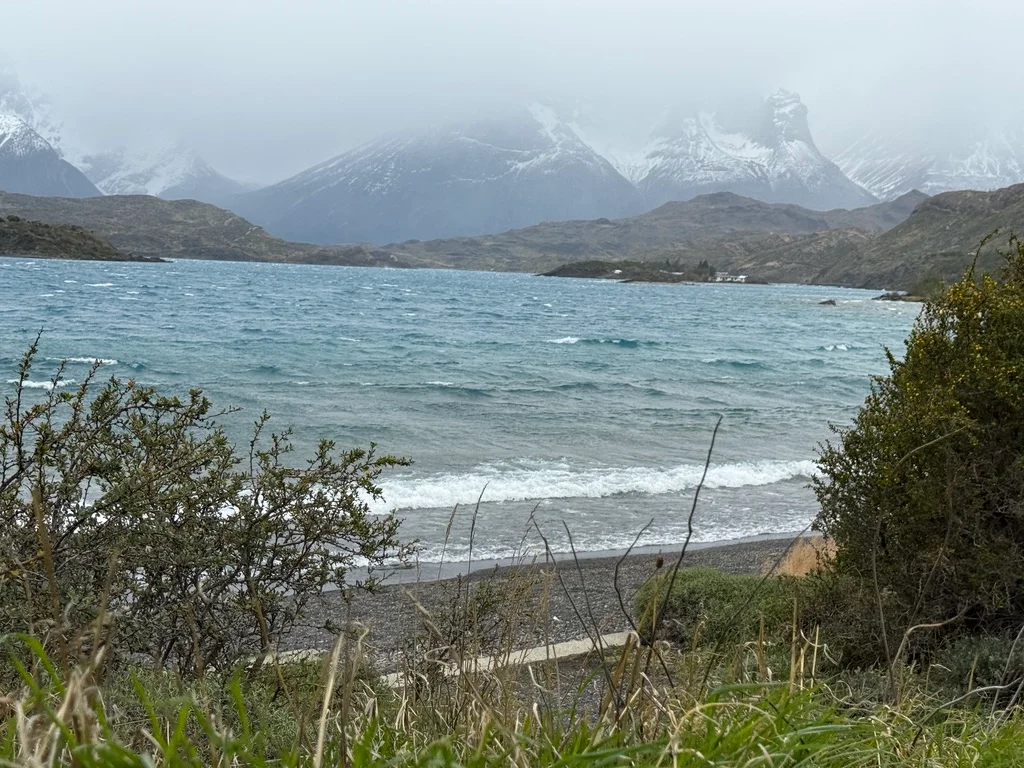
The standard package provides an accessible way to experience the Inca Trail without compromising safety or organization. Meals are prepared daily to restore energy after demanding hikes, and campsites are arranged to ensure rest in natural surroundings. Tour guides share historical insights at archaeological sites, creating a cultural connection throughout the trek. Group trekking fosters camaraderie among participants, adding social value to the journey. The standard / budget package balances affordability with meaningful engagement in the landscapes and heritage of the Andes.
Designed for travelers seeking a balanced experience with reliable guiding, nourishing meals, and organized campsites. The package focuses on safety and cultural immersion while keeping costs accessible.
- Professional guide support
- Nutritious meals along the trail
- Standard camping equipment
- Group trekking experience
- Historical storytelling at ruins
Private or Premium
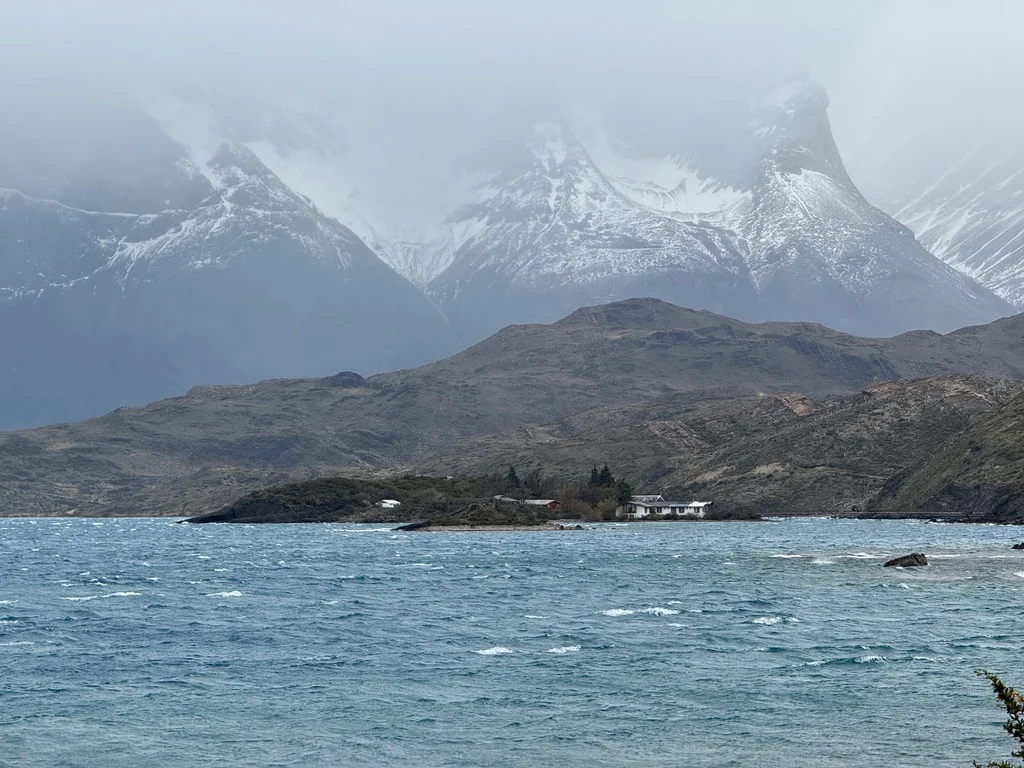
Private or premium packages deliver personalized attention with flexible pacing and customized itineraries. Upgraded camping gear and gourmet meals create comfort while maintaining the authenticity of the trek. Guides tailor storytelling and cultural interpretation to individual interests, enriching the experience. Exclusive services such as private porters provide convenience and efficiency during the hike. The private or premium approach combines adventure with refined service, making the journey distinctive and memorable.
Created for travelers seeking privacy and flexibility with customized pacing and upgraded services. Premium features include enhanced meals and accommodations for added comfort.
- Private guide and support team
- Flexible itinerary pacing
- Upgraded camping gear
- Gourmet-style meals
- Personalized cultural insights
Family-friendly
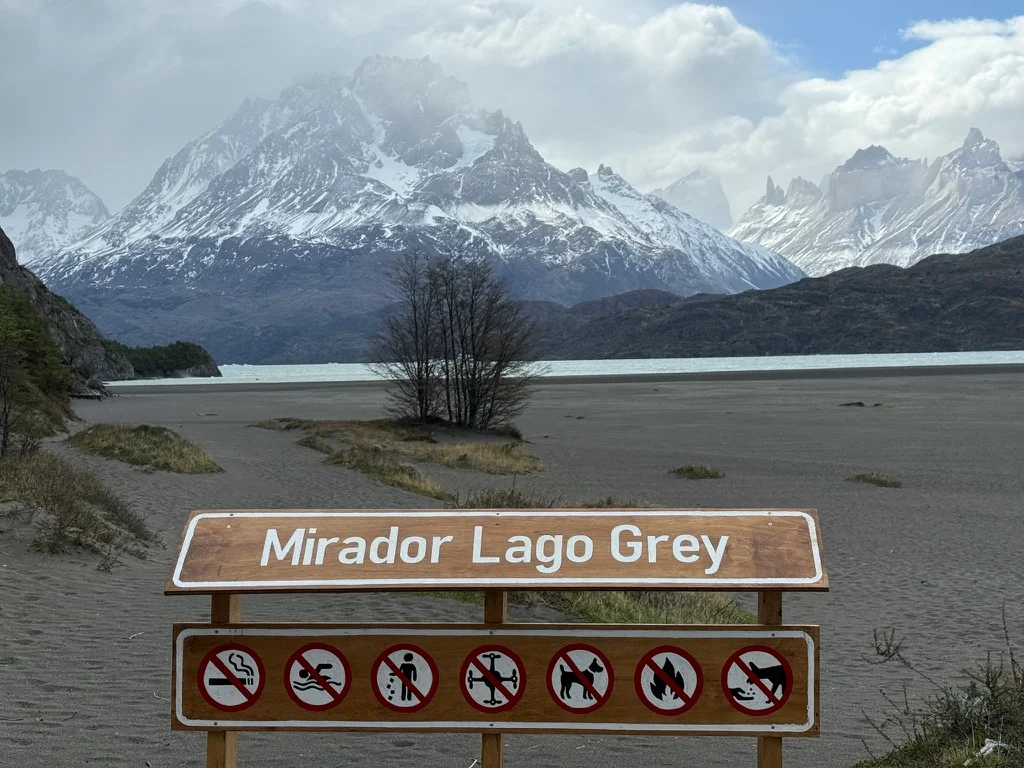
Family-friendly packages adapt trekking schedules to accommodate different age groups and physical abilities. Guides foster supportive environments, ensuring that children and adults share the journey together. Campsites are family-friendly, selected for safety and accessibility, creating a comfortable setting for families. Meals are prepared to suit varied preferences, keeping energy levels balanced throughout the trek. Shared experiences along the trail strengthen family bonds while introducing younger generations to cultural heritage.
Designed for families with children or mixed-age groups, offering supportive guidance and adaptable trekking schedules. The package emphasizes bonding and shared discovery along the trail.
- Family-oriented guide support
- Adjusted trekking pace
- Campsites suited for families
- Nutritious meals for all ages
- Educational storytelling
Luxury
Luxury packages combine the adventure of trekking with high-end amenities such as glamping-style accommodations. Gourmet meals are prepared daily, offering nourishment with refined presentation. Private porter services provide convenience, allowing travelers to focus on exploration and discovery. Scenic campsites are chosen for both comfort and breathtaking views, creating memorable evenings under the stars. The luxury approach blends cultural immersion with comfort, making the trek both adventurous and indulgent.
Luxury packages combine adventure with high-end amenities, offering gourmet dining and glamping-style accommodations. The trek balances cultural immersion with comfort in natural surroundings.
- Luxury camping tents
- Gourmet meals prepared daily
- Private porter service
- Scenic campsites with comfort setups
- Expert cultural interpretation
Adventure / Photography Focused
Adventure and photography-focused packages emphasize extended time at scenic viewpoints and unique angles along the trail. Tour guides provide tips and scouting for the best photographic opportunities, enriching the creative aspect of the trek. Sunrise and sunset access allows for golden hour captures that highlight the beauty of the Andes. Lightweight camping gear supports mobility across varied terrain, ensuring flexibility for exploration. The adventure / photography focused package combines physical challenge with artistic discovery, making the trek ideal for adventurers and photography enthusiasts alike.
Tailored for adventure seekers and photography enthusiasts, offering extended time at viewpoints and access to unique angles. Guides provide tips and scouting for the best shots along the trail.
- Photography-focused guide
- Extended time at scenic points
- Sunrise and sunset access
- Lightweight camping gear
- Location scouting for unique shots
Best Inca Trail Hiking Tours FAQs
The main highlights of the Inca Trail Hiking are listed below.
- Archeological Sites: The trail contains multiple ruins (Sayacmarca, Phuyupatamarca, Winay Wayna) that showcase advanced stone-masonry. The structures provided strategic outposts and religious centers to benefit the empire. Visitors observe intricate irrigation systems and terraced fields standing for centuries.
- Cloud Forest: Dense vegetation fills the high-altitude environment between 2,000 and 3,000 meters. Orchids and bromeliads grow along the mist-covered paths throughout the journey. Exotic birds (Cock-of-the-rock) inhabit the damp canopy.
- Dead Woman's Pass: Warmiwanusca reaches an elevation of 4,215 meters to mark the highest point of the trek. Hikers ascend steep stone steps to reach the summit. Panoramic views of the Vilcabamba range reward hikers who finish the climb.
The highlights of the Inca Trail to Machu Picchu are listed below.
- Sun Gate: Inti Punku offers the first glimpse of the citadel at sunrise. The stone portal frames the ruins and Huayna Picchu mountain perfectly. Travelers finish the four-day journey at the historic entrance.
- Winay Wayna: The name Winay Wayna translates to “Forever Young” in Quechua. The terraces wrap around the mountainside to create a stunning visual effect. The site remains the final stop of the Inca Trail to Machu Picchu before reaching the Sun Gate.
Hiking the Inca Trail is one of the world’s best trekking routes due to the unique blend of history and nature. The path follows original stone roads laid by the empire over 500 years ago. The trek offers exclusive direct access to ancient ruins (Llactapata, Runkurakay, Sayacmarca) before arriving at the final destination. The variety of ecosystems creates a changing backdrop every few miles. Travelers walk through alpine tundras and subtropical jungles within the same journey. The government limits access to 500 people per day to preserve the trail. Strict regulations maintain the trail's integrity and limit overcrowding. Deep spiritual connections resonate within the sacred valley landscapes. Physical challenges (Dead Woman's Pass) test endurance while bringing great satisfaction. Professional guides share stories of the past to deepen the cultural experience. The arrival at the Sun Gate provides a legendary view of the citadel. Each step reveals architectural mastery hidden in the mountains. The journey provides a sense of discovery on modern roads.
The most iconic viewpoints on the Inca Trail and Machu Picchu hikes are listed below.
- Phuyupatamarca: Clouds float below the stone platforms of the "Town in the Clouds." The site overlooks the Urubamba River snaking through the valley floor. Stone steps lead down into the dense forest from the overlook.
- Huayna Picchu: The steep climb ends at a peak overlooking the entire archaeological complex. Perspectives from the summit reveal the urban layout of the city. Limited permits ensure a quiet atmosphere at the top.
- Machu Picchu Mountain: Higher elevations provide a broader perspective of the citadel and the surrounding peaks. The summit overlooks the entire valley from a southern vantage point. Hikers experience a challenging ascent that rewards reaching the summit.
The cultural highlights that travelers experience while walking the Inca Trail involve interaction with local porters and exploration of sacred sites. Porters from nearby Andean villages carry equipment and share knowledge of the land. The workers speak Quechua and maintain traditions passed down through generations. Sharing meals prepared with local ingredients (potatoes, quinoa, corn) introduces hikers to regional flavors. Every archaeological site served a purpose—religious, military, or agricultural. Sayacmarca shows the empire's strategic planning. Winay Wayna displays the complexity of mountain farming with vast terraces. Tour guides are present to explain the meanings of the "Chakana" and other Andean symbols in stone carvings. Rituals honoring "Pachamama" or Mother Earth occur at different points. The trail represents the "Qhapaq Nan" network connecting the empire. Walking the stones offers a physical link to the past. Preserving language and customs enriches the journey. Ancient stonework reveals engineering skills. Cultural immersion happens naturally during the four-day hike, and local stories explain the bond between people and mountains.
The historic ruins and Inca sites that are seen along the Inca Trail route are listed below.
- Llactapata: The site features urban and agricultural sectors near the beginning of the trek. Stone walls outline rooms used to store items and house people. The ruins sit at the confluence of the Cusichaca and Urubamba rivers.
- Runkurakay: The circular structure is like a tambo or resting place to benefit travelers. Builders placed the site on a high ridge to monitor the valley below. Architecture reflects the functional design of military and transport hubs as part of the Inca trail history.
- Sayacmarca: The “Inaccessible Town” sits on a protected ridge displaying steep drops on three sides. Narrow paths lead to the residential areas and ritual water fountains. Architecture blends into the natural rock formations perfectly.
Natural highlights define the Inca Trail trek to Machu Picchu through the dramatic shift in biodiversity and topography. The journey begins in a dry mountain environment with scrub brush and cacti. Altitudes increase to high passes with grass and lichen on rocky soil. The descent into lush cloud forest is filled with moss and ferns. Over 400 orchid species bloom during the rainy season. Dense bamboo forests host small mammals and birds. Glaciated Vilcabamba peaks are visible in the distance. The Urubamba River flows below in the canyon. Waterfalls tumble near Winay Wayna. Bright butterflies cross stone paths at lower elevations. The transition from high peaks to subtropical jungle occurs in a day. Natural springs flow through ancient stone channels built by the empire, providing a sanctuary for unique flora and fauna. Climate varies rapidly between high passes and valley floors, with cool mountain air even in the tropics. Hikers witness ecological zone intersections supporting rare life.
Spectacled bears live within the protected areas of the sanctuary. The rare mammals feed on fruit and bromeliads in the high forest. Andean condors fly over the high mountain passes (Warmiwanusca, Runkurakay). The giant birds use thermal currents to glide between peaks. Vizcachas resemble large rabbits, showing long tails and hiding among the rocks. The rodents sun themselves on the stones of the ruins in the morning. Hummingbirds dart between colorful flowers in the cloud forest sections. The Andean Cock-of-the-rock displays bright orange feathers near the rivers. Llama and alpaca graze on the grass around the main citadel. Deer move quietly through the thick vegetation of the lower trails.
The Classic Inca Trail remains unique due to the direct arrival through the Sun Gate. Other treks (Salkantay, Lares) finish in the town of Aguas Calientes. No other route follows the original paved stone paths for the entire duration. The trail passes through 12 distinct archaeological sites before the final destination. Government regulations restrict the number of permits to 500 daily. The exclusivity creates a protected environment to benefit the historical path. Professional crews of porters handle all logistics on behalf of hikers. The combination of high-altitude passes and lush jungle remains unrivaled. Historical meaning permeates every mile of the journey. Physical access to the citadel occurs directly from the mountainside at dawn.
The descent from Phuyupatamarca provides views of the Urubamba Valley from a high perspective. Stone steps winding through the forest create leading lines to enhance images. Winay Wayna offers a backdrop of cascading terraces and mountain peaks. The Sun Gate frames the iconic wide shot of the citadel at sunrise. Llactapata provides a look at the lower ruins against the river. Runkurakay pass allows for panoramic shots of the Vilcabamba range. Mossy walls and stone tunnels offer micro-photography opportunities. Every segment of the trail presents a unique angle of the Andean landscape.
The Huayna Picchu hike provides a steep climb displaying vertical views of the ruins. Hikers see the Urubamba River surrounding the base of the mountain. The Machu Picchu Mountain trek reaches a higher elevation to provide a broader perspective. The summit overlooks the citadel and the surrounding snow-capped peaks. The Putucusi trek offers a side view of the complex across the valley. The Sun Gate hike provides a classic look at the main ruins from the south. Every peak offers a different angle of the geological formations.
Key stops included in the Classic 4-day Inca Trail Itinerary are listed below.
- Wayllabamba: The village serves as the first campsite at an elevation of 3,000 meters. Local families inhabit the area and manage small agricultural plots. Hikers prepare for the steep ascent starting the following morning.
- Pacaymayo: The campsite sits at 3,500 meters after the crossing of Dead Woman's Pass. Steep stone stairs lead into the valley where water streams flow nearby. Porters set up tents in the designated areas for the overnight stay.
- Winay Wayna: The site contains impressive agricultural terraces and urban structures. Travelers reach the location on the third afternoon before the final leg. The name translates to "forever young" in the native Quechua language.
A typical 2-day short Inca trail hike includes a train journey from Cusco to KM 104. The trek begins an ascent toward the ruins of Chachabamba. Travelers walk 12 kilometers on the first day to reach the Sun Gate. The path passes the waterfall at Winay Wayna before entering the sanctuary. Hikers witness the first view of the citadel during the late afternoon. The journey continues down to the town of Aguas Calientes for an overnight stay in a hotel. Day two features a bus ride back up to the main archaeological site for a guided tour. Visitors explore the temples and residential areas for three hours. The return to Cusco happens via train and private transport in the evening. Short treks provide an alternative for people with limited time or fitness levels. The experience captures the essence of the historical pilgrimage without the camping requirement. Prices for the excursion range between $450 and $600, depending on the service level. Permits require booking months in advance due to high demand. The expedition remains a popular choice for families and solo travelers. Guides offer insights into the engineering of the path. Every hiker receives a specialized permit from the Ministry of Culture. The route remains a safe way to experience the high Andes.
The major landmarks visited during the Inca Trail Trek are listed below.
- Sayacmarca: The archaeological site rests on a cliff edge at 3,600 meters. Stone channels carry water through the residential quarters and ritual baths. Access requires climbing a narrow staircase carved into the mountain.
- Runkurakay: The semi-circular building functioned as a post house for imperial messengers. It offers views of the valley and the second mountain pass. Walls showcase the precise stone fitting techniques of the era.
- Intipata: The Sun Terraces sit high above the Urubamba River near the end of the trek. Agricultural platforms stretch across the hillside to demonstrate ancient farming methods. The site provides a panoramic view of the forest canopy.
Daily activities on the Inca Trail follow a structured routine led by professional guides. Mornings begin with hot tea and a hearty breakfast at the campsite. Hikers pack their gear before starting the trek through the mountains. Lunch breaks occur at scenic locations midway through the daily route. Guides provide historical context at multiple ruins (Llactapata, Sayacmarca, Phuyupatamarca) during the journey. Afternoons involve reaching the next campsite and resting. Dinner provides a time for the group to share experiences. Evenings end early to allow for recovery before the next day's challenge. Physical exertion defines the middle hours of the day.
Morning activities center on the physical ascent and exploration of historical sites. Porters wake the group using coca tea at 5:00 AM. Breakfast includes items (pancakes, eggs, porridge) to fuel the trek. The group walks for four hours before stopping for a midday meal. Afternoon activities involve the descent into the next ecological zone. Travelers reach the campsite by 4:00 PM to relax. Tea time follows the arrival at the camp. Dinner occurs in a communal tent under the stars.
The expected hiking distances and elevation changes vary across the 42-kilometer route. Day one covers 12 kilometers with a steady gain to 3,000 meters. Day two presents the greatest challenge with a climb to 4,215 meters at Dead Woman's Pass. The descent drops 600 meters to the Pacaymayo valley. Day three spans 16 kilometers through multiple mountain passes and tunnels. Elevation settles at 2,700 meters by the third campsite. The final day involves a short 5-kilometer walk to the Sun Gate. Total elevation loss exceeds 1,500 meters from the highest peak to the citadel.
The itinerary differs between classic, short, and extended Inca trail treks based on duration and starting point. Classic routes span four days and cover the entire historical path from KM 82. Short versions condense the experience into two days by starting at KM 104. Extended treks last five days to allow for a slower pace and extra exploration. The classic version remains the standard choice for adventurers. It includes three nights of camping in the wilderness. The short trek substitutes camping with a hotel stay in the valley. Extended itineraries reduce the daily walking distance to five or six hours. Each option follows the same arrival at the Sun Gate. Permitting rules apply equally to every version of the trek. Prices vary between $500 for the short version and $900 for the luxury five-day trip. The choice depends on the physical readiness and schedule of the visitor. Each path leads to the same architectural wonder. Differences in distance affect the physical demand on the body. Porters accompany groups on the four and five-day versions. Short treks skip the high mountain passes (Dead Woman's Pass). The scenery changes from rugged mountains to subtropical forest on every route. The final destination remains the same regardless of the path chosen.
The Inca Trail to Machu Picchu takes two to five days, with the four-day trek being most popular. Hikers cover 42 km of stone paths and mountains. A short trek takes one day, with a visit to ruins the next. Slow groups choose the five-day trek to reduce strain. Factors like weather and fitness affect daily speed, with six to eight hours of trekking daily. Permits determine campsites, and the final arrival at the citadel is on the last morning. Planning includes travel time from Cusco to the trailhead; the train return adds hours. Experienced hikers complete it faster but follow the group schedule, maintaining a steady pace for safety. Each itinerary allows for meals and rest, making it a significant physical achievement.
Hiking to Machu Picchu takes four days on the traditional route. Alternative paths (Salkantay, Lares) take between four and seven days. The distance requires time for acclimatization to the altitude. The majority of itineraries include a final day dedicated to the archaeological site.
Hiking the actual Machu Picchu ruins takes three hours for a complete tour. Climbing Huayna Picchu or Machu Picchu Mountain adds two or three hours to the visit. The walk from the main gate to the Sun Gate lasts 45 minutes. Visitors spend the day exploring the complex.
Hiking the Inca Trail takes four days to complete the full 42-kilometer circuit. The first day involves six hours of walking through the valley. Day two requires eight hours to cross the highest pass. Day three lasts nine hours to reach the final camp.
The route of the Inca Trail from Cusco begins with a drive to the trailhead at KM 82. Travelers cross the Urubamba River to enter the national park. The path follows the riverbank before ascending into the mountains. It winds through the Cusichaca valley toward the village of Wayllabamba. The trail climbs over the high passes of Warmiwanusca and Runkurakay. It enters the cloud forest near Sayacmarca and Phuyupatamarca. The final stretch leads to the Sun Gate overlooking the ruins. Private transport and trains facilitate the return to Cusco.
Services that are included in most Inca Trail Tour packages are listed below.
- Professional Guides: Licensed guides lead every group to ensure safety and provide historical information. They explain the significance of archaeological sites (Winay Wayna, Sayacmarca). The guides carry first aid kits and satellite phones for emergencies.
- Porter Services: Local porters carry the tents, cooking equipment, and food for the entire journey. They arrive at the campsites early to set up the sleeping areas. The workers ensure that the trail remains clean by carrying out the waste.
- Permit Procurement: Tour operators handle the acquisition of government permits for the trail and the citadel. The documents allow access to the protected sanctuary and the train back to Cusco. The cost of the permits remains part of the total package price.
Meals included on Inca Trail Hiking Tours are listed below.
- Breakfast: Professional chefs serve hot dishes (omelets, pancakes, porridge) before the daily trek begins. Fresh fruit and bread accompany the main meal to provide energy to climb steep slopes. Warm drinks (coffee, tea, hot chocolate) help hikers acclimate to the cold mountain air.
- Lunch: Midday meals consist of three courses served in a communal dining tent. Soup precedes a main dish (lomo saltado, chicken, rice) to replenish nutrients lost during the morning walk. Desserts and herbal teas conclude the break before the afternoon section.
- Tea Time: Porters prepare snacks (popcorn, cookies, crackers) upon arrival at the campsite. Hot beverages provide warmth and comfort during sunset over the peaks. The period allows travelers to socialize and relax before the evening meal.
- Dinner: Evening menus focus on recovery, containing balanced portions of protein and carbohydrates. Chefs prepare specialized items (vegetable lasagna, trout, quinoa soup) using fresh regional ingredients. Hot water bottles are distributed after the meal to keep sleepers warm during the night.
The types of camping equipment or lodging included on Inca Trail Treks are listed below.
- Sleeping Tents: Operators provide four-season tents designed to withstand the unpredictable Andean weather. Every structure accommodates two people to provide adequate space to store gear and rest. Waterproof rainflies protect the interior from moisture in the dense cloud forest.
- Dining Facilities: Large communal tents house tables and stools to consume group meals. The setup creates a comfortable environment to eat away from the elements. Kitchen tents provide a dedicated space to help the culinary staff prepare food safely.
- Foam Mattresses: Insulated mats lie beneath sleeping bags to block the cold from the ground. The padding improves sleep quality on the rocky terrain of the high mountains. Lightweight materials allow porters to transport the mats efficiently between campsites.
- Aguas Calientes Hotels: Short versions of the trek include a night in a local hotel (hostel, boutique inn) instead of a tent. Rooms feature private bathrooms and hot showers to help travelers refresh before the final tour. The town stay offers a bed to assist recovery after the initial 12-kilometer hike.
The safety and support features provided are listed below.
- Medical Kits: Guides carry first aid supplies (bandages, antiseptics, altitude medication) to provide immediate use on the trail. The equipment remains accessible constantly during the 42-kilometer journey. Training in wilderness rescue ensures the staff manages minor injuries or illnesses effectively.
- Oxygen Tanks: Portable canisters stay within reach to assist hikers struggling due to the thin air at 4,000 meters. The supply provides relief to treat symptoms of acute mountain sickness during the crossing of high passes. Constant monitoring of blood oxygen levels using pulse oximeters keeps the group safe.
- Emergency Communication: Radios and satellite phones connect the crew to the main office in Cusco. Local authorities receive updates in case an evacuation becomes necessary to benefit a participant. Reliable links ensure a rapid response to any unforeseen situation in the remote wilderness.
Transportation for Inca Trail to Machu Picchu trips includes private vans, trains, and buses. The journey begins with a private transfer from the hotel in Cusco to the trailhead at KM 82. The drive takes 120 minutes through the Sacred Valley of the Incas. After reaching the citadel, a bus carries hikers down the mountain to Aguas Calientes, taking 25 minutes along a winding dirt road. The return involves an expedition or Vistadome train from Aguas Calientes to Ollantaytambo, offering river and mountain views through large windows. A private van then meets the group at the station for the final trip back to Cusco. Short treks include a train ride from Ollantaytambo to KM 104. Luggage storage in Cusco hotels is available for heavy bags not taken on the trail. Transfers are coordinated to minimize wait times. All ticket and seat costs are part of the tour package. Reliable vehicles and scheduled departures ensure a smooth transition from wilderness to city, allowing travelers to focus on the trek.
Yes, entrance fees to the Inca Trail and Machu Picchu are included in the total price of the tour package. Tour operators buy permits from the Peruvian Ministry of Culture months before departure. The permit covers a four-day trek and access to the main archaeological site. A standard ticket grants entry to the citadel's urban and agricultural sectors for guided tours. Hikers must show an original passport at checkpoints to match registration. The government restricts daily visitors to 500 to protect the site. No one enters without a valid permit in their name. Permit costs support the maintenance of roads and campsites. Separate bookings and fees are needed for Huayna Picchu or Machu Picchu Mountain. The package simplifies planning for international visitors, costing $600-$900 per person. Travelers get tickets from the guide before the gate. Tickets are non-refundable and non-transferable. The package covers all legal requirements, ensuring guaranteed entry with a valid reservation.
The extras that are included in Premium or Luxury Inca Trail Tours are listed below.
- Gourmet Dining: Professional chefs prepare multi-course meals using organic ingredients and fine wines. Tablecloths, silverware, and glassware improve the dining experience in the wilderness. The menu features specialized dishes (lomo saltado, grilled salmon).
- High-End Comforts: Luxury packages provide spacious walk-in tents equipped with raised cots and warm bedding. Portable showers and private eco-toilets stay available for the exclusive use of the group. Massage therapists join the crew to provide relaxation after a day of hiking.
- Personalized Service: Reduced group sizes or private departures allow for a tailored pace and attention from the guide. Specialized porters carry the personal belongings, including sleeping bags and clothes. Professional photography services document the journey to create a high-quality record of the experience.
Factors determining the cost of an Inca Trail tour include government permits, group size, and service levels. The Peruvian government charges a fixed fee for entry into the historical sanctuary. Operators cover costs like porters, guides, and cooks supporting the 42 km journey, plus staff insurance, affecting the expedition's expense. Group size impacts the final price, with private tours costing more due to fewer participants sharing fixed costs. Luxury options with amenities like cots, massage tents, and gourmet meals cost more. Shorter (2-day) trips are cheaper than the 4-day route. Early bookings secure better train times and hotel rates, while seasonal demand influences low-cost slot availability, not permit prices. Equipment quality, including tents and gear, affects costs; high-end gear lasts longer and offers better protection. Transportation from Cusco, train, and van fees also add to expenses. Extra hikes (Huayna Picchu, Machu Picchu Mountain) need separate tickets. Guides' expertise enhances the experience. The Inca Trail is highly regulated to protect its integrity.
Hiking the Inca Trail costs $650 to $950 for a 4-day trek. The 2-day trek ranges from $450 to $600. Private tours often exceed $1,200, covering entrance fees, train from Aguas Calientes to Ollantaytambo, meals by professional chefs, and porter services. Higher prices mean better wages and equipment; luxury packages up to $2,000 offer extra comforts like hot showers and wine. Budget options under $600 exclude services, and tips add 10-15%, with gear rentals costing $20-$50. Flights to Cusco aren't included. Booking 6 months early offers the best value. Total costs vary based on individual needs, and overall value depends on trek quality.
Costs in an Inca Trail package cover logistics for a safe journey, including permit, entry ticket, guides, porters, meals, camping gear, transportation, train ticket, transfer, emergency supplies, pre-trek briefing, insurance, treated water, taxes, and fees. The package lets hikers focus on the challenge, with all details organized to ensure cost integrity.
Optional add-ons affecting Inca Trail tour pricing involve extra tickets and personal gear rentals. Travelers pay $75 to $85 to climb Huayna Picchu or Machu Picchu Mountain, offering different views but requiring early booking. Rental gear costs $20 to $50, with private tent options at $40 to $70. Upgrading to a Vistadome train adds $70 to $100, and luxury hotels in Aguas Calientes are more expensive. Extra porters charge $120 for carrying 7-15 kg. Tips for guides, cooks, and porters are extra. Snacks and drinks are bought at small shops along the first half of the trail. Aguas Calientes' thermal baths have a $5 to $10 entry fee. Insurance for personal travel and health stays the responsibility of the hiker. Meals in the town on the final day are rarely included in the trek price. The additions allow for a personalized experience. The flexibility of the itinerary depends on the budget for the optional trek costs.
The price differences between group and private Inca Trail treks depend on the level of exclusivity and personalized attention. Group tours have 8 to 16 participants sharing costs, making them cheaper for solo travelers and couples. Private tours cater to specific parties like families or friends with higher prices due to fixed costs not being divided. Private groups enjoy flexible pacing and custom meals. Small groups of 2 to 4 pay a premium for privacy. Shared tours follow a strict schedule, while private services include extras like porters. Group treks foster social connections, whereas private options focus on comfort and individual needs. The same permits and core services are included. The price difference is $200 to $500 per person, influencing the journey's atmosphere. The choice depends on preferred private trek style and pricing.
Payment and booking requirements for Inca Trail permits are listed below.
- Permit Availability: The government releases 500 permits per day for the entire trail. Reservations must happen 6 to 8 months in advance for the peak months (May, June, July). The system prevents overcrowding to protect the historical site.
- Deposit Payment: Operators require a non-refundable deposit of $200 to $400 at the time of booking. The funds secure the permit and the train tickets immediately. No reservation is confirmed without the initial payment.
- Passport Details: Valid passport information must be provided to the Ministry of Culture for registration. The name and number on the ticket must match the physical document at every checkpoint. Changes to the passport details after booking are not allowed by the authorities.
No, the Inca Trail permit price stays the same regardless of the season. The Peruvian government keeps a fixed cost for 500 daily entries year-round. Tour package prices rise during peak months (May-August). Local operators face higher demand for hotels and transport in the Sacred Valley, with train tickets maxing out during the dry season. Flight costs to Cusco increase in the Southern Hemisphere winter. Private tours are pricier due to limited guides and porters, and budget agencies rarely offer discounts when the trail sells out months ahead. The fixed permit fee prevents seasonal price gouging for entry. Extra services like lodging and dining in Cusco vary in cost, but booking in April or October offers better value. The total cost is stable for early bookers. Peak season attracts crowds but offers the best weather for photography, reflecting the costs driven by popularity.
The best time to hike the Inca Trail is between April and September because the season provides clear access to landmarks like Machu Picchu or Winay Wayna. Daytime temperatures hover around 20°C during the peak window while night temperatures frequently drop toward freezing at high altitude campsites. Clear skies during the winter interval allow for unobstructed views of snow capped peaks such as Salcantay and Veronica. Dry ground conditions minimize the risk of slipping on steep stone staircases built by the ancient civilizations. June and July see the highest number of travelers due to international holidays and local festivals in the city of Cusco. April and October serve as shoulder months where the scenery remains vibrant and green following the conclusion of the rainy period. Hikers avoid the trek in January and December to stay away from heavy downpours and muddy trail sections. Permits for the popular mid year months require reservations at least six months in advance to ensure a spot. Daily sunlight lasts 12 hours during the dry duration which aids in completing long trekking distances before dusk. Selecting the favorable months ensures the best time to do Inca Trail, offering optimal photography conditions and physical comfort.
The best months to hike to Machu Picchu are from April to August, with minimal rainfall. High peaks appear against deep blue skies in the afternoons, and rain is rare, ensuring safe, navigable stone paths. Day temperatures are warm enough for high-altitude activities, and sunsets over the Vilcabamba range offer spectacular views from campsites. June includes the winter solstice and the Inti Raymi festival in Cusco. Consistent weather supports outdoor activities, and the dry climate reduces insects in the cloud forest. Vegetation stays green from the rainy season through April. Clear mornings at the Sun Gate reveal the first view of the citadel without mist. Conditions are ideal for long hikes exceeding 12 km. Permits are limited to 500 daily, requiring advance planning to visit during this window. The period offers comfortable temperatures, dry ground, and unobstructed views of the ruins.
The best time for an Inca Trail holiday is during April or October because the two months offer a balance of favorable weather and manageable crowds. Sunny days provide clear views of the mountain passes while light rain maintains the lush greenery of the high Andes. Moderate temperatures ensure comfort while sleeping in high-altitude campsites like Phuyupatamarca. September provides another excellent window with stable conditions and increased availability for luxury hotels or train tickets. Visibility remains high during the early mornings when hikers reach the Sun Gate to view the Machu Picchu citadel. Subtropical sections of the trail feature blooming orchids and diverse flora during these shoulder seasons. Traveling outside the peak months of June and July results in lower prices for local services and international flights. Small groups enjoy a more secluded experience as fewer trekkers occupy the historic paths and archaeological sites. Logistics move faster at park checkpoints and dining areas when visitor volume is lower than the mid summer peak. Planning a journey during the specific times reduces the stress associated with securing permits and specialized staff. Every successful expedition benefits from well-timed planning, ensuring a more intimate connection with the Sacred Valley and ancient ruins during the Inca Trail holidays.
The Inca Trail remains open 11 months of the year, featuring a scheduled closure in February. In February, the Peruvian government conducts maintenance on stone paths, repairs bridges, and clears vegetation for hiker safety ahead of the season. Heavy rains during the Andean summer make February a logical closure, reopening on March 1 for new visitors. Access is possible through January and December despite wet conditions. Permits are required for each open day, while the Machu Picchu citadel remains open year-round, including February. Alternative treks like Salkantay and Lares are accessible, but the classic route remains closed. Seasonal visitor patterns influence travel, and maintenance preserves archaeological sites like Winay Wayna and Phuyupatamarca, preventing erosion. Regulations ensure path preservation for future generations, with no exceptions for the February closure. Travelers plan accordingly, helping manage the impact of thousands of visitors annually.
The weather considerations when hiking the Inca Trail are listed below.
- Dry Season: Rainfall stays minimal between the months of June and September. Clear skies provide visibility for mountain views and photography. Temperatures during the night drop near the high-altitude campsites.
- Rainy Season: Heavy precipitation occurs from November through March to create muddy conditions on the path. Clouds obscure the peaks and the ruins of the citadel during the morning. Waterproof gear remains necessary to maintain comfort during the trek.
- Temperature Fluctuations: Sunlight creates warm conditions exceeding 20 degrees Celsius during the day. Elevations above 3,000 meters cause a cooling effect immediately after the sun sets. Layered clothing assists in managing the transition from hot valleys to freezing passes.
Yes, permits are a mandatory requirement to hike the Inca Trail. The Ministry of Culture issues only 500 permits daily, including hikers, guides, porters, and cooks, which sell out six months ahead for peak season. No one enters without a permit from a licensed tour operator linked to their passport for checkpoint verification. Independent hiking without a guide is illegal. Permits cover the 42-km route and Machu Picchu, protecting sites from overcrowding and funding conservation. Booking a tour package is the standard way to secure a spot, requiring full personal details. The Inca Trail Permit is non-transferable and non-refundable. Authorities check IDs at the trek's start to ensure safety and quality, maintaining safety and experience standards.
The altitude considerations on the Inca Trail route are listed below.
- Acclimatization: Staying in Cusco for two days before the trek helps the body adjust to the thin air. Hydration and light meals support the natural process of adaptation to high elevations. Hikers find the physical effort easier after a period of rest in the city.
- High Altitude Sickness: Low oxygen levels cause symptoms (headaches, nausea, dizziness) in participants. Drinking coca tea or using specialized medication provides relief from the discomfort. Slow and steady movement prevents the heart rate from rising too rapidly on steep inclines.
- Dead Woman's Pass: The path reaches its maximum elevation of 4,215 meters on the second day of the journey. Air pressure stays lower than at sea level to increase the difficulty of the ascent. Reaching the summit requires patience and frequent breaks to manage the lack of oxygen.
The highest point of the Inca Trail reaches an elevation of 4,215 meters above sea level at the pass of Warmiwanusca. The location is known as "Dead Woman’s Pass" due to the shape of the mountain ridge. Hikers reach the summit on the second day of the traditional 4-day itinerary. The ascent climbs 1,200 meters from the first campsite at Wayllabamba. Stone steps lead through the high Andean tundra, where vegetation remains sparse. Cold winds and thin air make the summit a challenging milestone for every traveler. Panoramic views of the Runkurakay and Vilcabamba ranges reward those who finish the climb. The second pass on the trail sits at 3,950 meters. Elevation decreases as the path enters the lush cloud forest on the third day. Campsites are at altitudes between 3,000 and 3,600 meters. The Machu Picchu citadel sits at a lower elevation of 2,430 meters. Understanding the elevation profile helps prepare for the physical demands of the journey. Oxygen levels at the pass are 60 percent of those at sea level. Crossing the pass remains a highlight for adventurers.
Transportation options from Cusco to the Inca Trail starting point are listed below.
- Private Vans: Tour operators use dedicated vehicles to transport hikers from their hotels to the trailhead. The drive to KM 82 takes two hours through the Sacred Valley. Passengers enjoy views of the mountains and rivers during the transit.
- Train Service: The railway connects Cusco and Ollantaytambo to the starting point of the short trek at KM 104. Travelers disembark the train in the middle of the canyon to begin the 1-day walk. The journey offers a scenic route along the Urubamba River.
- Local Buses: Public transport reaches the town of Ollantaytambo, where groups stop for breakfast. Buses travel on paved roads before the final stretch to the checkpoint. Organized tours include the cost of transport within the package price.
Health and fitness considerations for trekking the Inca Trail involve cardiovascular endurance and leg strength. The path involves walking six to nine hours daily on uneven stone terrain, with thousands of steps during the ascent to Dead Woman's Pass. Physical prep (hiking, running, stairs) starts two months prior. High altitude strains the heart and lungs; a medical checkup is advisable for those with pre-existing conditions (respiratory, cardiac). Age doesn't prevent participation but affects pace and recovery. Mental resilience helps with fatigue. Proper footwear prevents blisters and supports ankles. Stretching after walking eases soreness. Nutrition and hydration are vital for energy during the 42 km trek. Guides monitor health to ensure safe arrival. The trek is moderate to difficult, requiring training and acclimatization, with a rewarding experience for prepared hikers.
The Inca Trail is a moderate to difficult trek requiring high physical endurance from participants. The 42-kilometer route crosses multiple steep mountain passes (Warmiwanusca, Runkurakay) over a period of four days. The highest elevation reaches 4,215 meters at Dead Woman's Pass on the second day. Hikers climb thousands of uneven stone steps built by the original masons centuries ago. The descent into the cloud forest strains the knees and ankles of the majority of travelers. The lack of oxygen at high altitudes slows the pace of the group significantly. Weather conditions fluctuate between intense sun and heavy rain in the high Andes. The four-day duration requires camping in remote locations without modern amenities. Proper acclimatization in Cusco remains a requirement before starting the journey. Physical preparation improves the chances of success on the steep inclines. The trek demands mental resilience during the long uphill sections. The journey ranks as a strenuous adventure for hikers of every age. The arrival at the Sun Gate provides relief after the physical struggle. The difficulty level stays high for people without mountain hiking experience. The stone paths remain slippery during the rainy season. The total ascent exceeds 2,000 meters over the first two days. The experience tests the limits of strength and stamina for every adventurer. The Inca Trail difficulty is closely monitored by professional guides, who ensure the health and safety of travelers throughout the stages.
The Machu Picchu hike difficulty level is categorized as moderate to strenuous, depending on the specific path chosen. The Classic 4-day route involves 42 kilometers of rugged mountain terrain and stone steps. The short 2-day version covers 12 kilometers with a steady incline toward the Sun Gate. Dead Woman's Pass presents the greatest obstacle on the traditional itinerary. Altitude remains the primary factor affecting the difficulty for international travelers arriving from sea level. The trek requires walking between six and nine hours per day. Stone stairs characterize the descent from Phuyupatamarca toward the citadel. The humidity increases as the trail enters the subtropical forest. The body works harder to transport oxygen at elevations above 3,000 meters. The physical demand stays consistent throughout the second and third days of the journey. Leg strength is necessary to navigate the uneven stone blocks of the original road. The difficulty decreases once hikers reach the final overlook. The path features steep drops protected by stone walls. The experience challenges the cardiovascular system of every hiker. Physical preparation involves months of training to build endurance. The difficulty remains a defining characteristic of the Andean pilgrimage. The journey provides a rigorous test for outdoor enthusiasts.
Yes, hiking the Inca Trail remains worth the physical challenge because of the historical immersion and natural beauty. The path follows original stone roads laid by the empire over 500 years ago. The discovery of multiple ruins (Sayacmarca, Phuyupatamarca, Winay Wayna) adds value to the experience. The transition between ecological zones (alpine tundra, cloud forest) happens naturally during the trek. The arrival at the Sun Gate provides a legendary view of the citadel at dawn. The camaraderie among the group and the crew creates a lasting bond between strangers. The sense of achievement after crossing Dead Woman's Pass is immense for every participant. The history of the trail provides a deep connection to the Andean heritage. The exclusion of modern vehicles allows for a peaceful journey through the mountains. The guided tours explain the architectural mastery and spiritual meaning of the sites. The trek stays a top bucket-list accomplishment for adventurers around the globe. The beauty of the environment justifies the physical effort required. The final destination of Machu Picchu feels earned after the 42-kilometer walk. The preservation of the path makes the pilgrimage a unique travel opportunity. The memories of the Andes stay with the hiker for a lifetime.
The Classic Inca Trail trek is greater in difficulty than the Lares trek but less technical than the Salkantay route. The Salkantay trek reaches higher altitudes of 4,600 meters at the main pass. The Inca Trail contains thousands of stone steps that strain the joints more than the dirt paths of other routes. The Lares trek focuses on cultural interaction with local villages and features fewer steep climbs. The Inca Trail remains the exclusive route offering direct access through the Sun Gate. The Salkantay trek covers 75 kilometers compared to the 42 kilometers of the classic path. The Jungle trek includes biking and rafting to reduce the walking distance. The stone paving on the Inca Trail makes the surface harder on the feet. The regulations on the classic trail limit the number of participants. The Salkantay route offers rugged and alpine scenery. The difficulty of the Inca Trail stems from the constant change in elevation. The Lares trek involves fewer steep climbs through narrow canyons. The classic route remains a sought-after trek in South America. The comparison shows that the Inca Trail provides the best historical immersion. The physical demand of the classic trek requires a balanced fitness level. The variety of ruins along the classic path is superior to other alternatives.
No, climbing the main citadel of Machu Picchu stays manageable for visitors with average fitness levels. The site features well-maintained stone paths and staircases between the urban and agricultural sectors. The shuttle bus from Aguas Calientes eliminates the need to hike up the mountain for the majority of tourists. The tour involves walking for two or three hours at a slow pace. The elevation of 2,430 meters is lower than that of the city of Cusco. The climbing of Huayna Picchu or Machu Picchu Mountain is a separate and harder challenge. The steep steps of Huayna Picchu require a permit and steady footing on the cliffs. The main circuit around the Sun Temple and the Intihuatana is not strenuous. The guides manage the flow of people to allow for frequent rest stops. The paths are paved with original or restored stone blocks. The physical effort remains light compared to the four-day trek. Access for elderly visitors or children remains possible through the lower circuits. The visit requires comfortable walking shoes to navigate the slopes. The experience is an exploration of ruins rather than a physical climb. The views of the ruins stay accessible from several vantage points. The citadel provides a comfortable walking environment for most travelers.
Factors making the Inca Trail challenging include the altitude, terrain, and weather conditions. The crossing of Warmiwanusca at 4,215 meters presents the primary physical test for the body. The stone steps create an uneven surface that requires focus and balance. The daily walking distances reach 16 kilometers on the third day of the trek. The lack of oxygen causes fatigue and shortness of breath during the climbs. The rapid changes in temperature between the valleys and peaks strain the body. The humidity of the cloud forest causes perspiration and discomfort. The camping lifestyle requires sleeping in tents and using basic toilet facilities. The steep descents put pressure on the leg muscles and knee joints. The weight of a daypack adds to the physical exertion of the hiker. The requirement to finish the daily distance regardless of fatigue adds mental pressure. The presence of rain makes the stone stairs slippery and difficult to navigate. The journey demands a level of endurance found in mountain trekking. The preparation for the elements remains a necessity for safety. The challenge remains part of the attraction for many adventurers. The physical demand ensures the trail remains a significant accomplishment.
The training needed for the Inca Trail involves two or three months of consistent physical preparation. The focus remains on building cardiovascular health and leg strength for the mountains. The routines include hiking with a weighted backpack on local trails. The use of stair-climbing machines simulates the steep stone steps of the Andes. Endurance is built through long walks exceeding 10 kilometers. The strengthening of the core muscles helps with balance on uneven ground. The training period allows the body to adapt to increased physical stress. The exercise improves the efficiency of the heart and lungs. The frequency of workouts reaches three or four times per week. The mental preparation involves staying motivated during long training sessions. The testing of footwear during training prevents blisters on the actual trail. The physical readiness reduces the risk of injury during the 42-kilometer trek. The preparation ensures that hikers enjoy the scenery instead of struggling with fatigue. The fitness level dictates the comfort of the journey through the mountains. The commitment to a training plan pays off at the Sun Gate. Every hour of preparation improves the quality of the experience.
Success on the mountain passes requires a dedicated effort to train for Inca Trail expeditions effectively.
To prepare for hiking to Machu Picchu, follow the seven steps listed below.
- Train your body: by walking on hilly terrain with a loaded backpack Preparation begins three months before the departure date.
- Acclimatize in Cusco for 48 hours: to adjust to the high altitude Drinking coca tea provides relief from the thin air.
- Book the permit at least six months in advance: through a licensed agency The government limits access to 500 people per day.
- Select high-quality gear: (boots, waterproof jacket, sleeping bag) for the journey Proper footwear prevents blisters on the stone steps.
- Drink water and consume light meals: to stay energized. Carrying a reusable bottle reduces the use of plastic on the trail.
- Consult a doctor about altitude sickness medication: before departure. Medical advice helps in managing physical exertion in the Andes.
- Pack a light daypack with rain gear and sun protection: Layers of clothing help in managing the temperature changes.
The routes highlighted on the Inca Trail hike map follow the original 42-kilometer stone path. The journey starts at KM 82 near the Urubamba River. The path leads through the village of Wayllabamba for the first night. The ascent to Dead Woman's Pass is a primary feature of the second day. The trail passes the circular ruins of Runkurakay at 3,760 meters. The descent goes through the town of Sayacmarca. The route traverses the cloud forest toward the campsite at Phuyupatamarca. The map displays the overlook with views of the valley floor. The final descent reaches the terraces of Winay Wayna. The path ends at the Sun Gate overlooking the citadel. The alternate 2-day route starts at KM 104 and joins the main trail at the ruins. The map highlights the campsites managed by the government. The geological features of the Urubamba valley stay visible on the map. The history of the network is shown through the proximity of the ruins. The layout provides a guide for the four-day expedition through the mountains. Each point on the Inca Trail map represents a milestone in the journey.
Necessary items travelers pack for the Inca Trail include a valid passport and the original entrance permit. Travelers keep documents in waterproof bags and use headlamps for early starts and camp activities. Reusable bottles cut waste in the park. Sunscreen and lip balm prevent burns from high-altitude sun. A first aid kit covers injuries and altitude sickness. Power banks charge devices for photos at the ruins. Small Soles allow snack purchases from vendors during the first 20 km. Wet wipes and hand sanitizer maintain hygiene at remote campsites. Bug repellent protects against insects in the cloud forest. Lightweight towels dry quickly after rain or washing. Durable hiking boots offer ankle support on stone steps. Packing is minimalist to keep the pack light, focusing on durability and utility to ensure safety and preparedness. Proper tools help smooth mountain transitions, with items organized for quick access to rain gear and water. The backpack is vital for wilderness survival. A carefully selected Inca Trail packing list ensures a successful adventure.
Clothing layers recommended for the Inca Trail weather include moisture-wicking base layers and insulating mid-layers. Synthetic fabrics like polyester, nylon, or merino wool wick sweat to keep dry, while cotton traps moisture and causes chills. Fleece or down jackets provide warmth in near-freezing temperatures. Waterproof, windproof shells guard against mountain rain. Lightweight trousers offer flexibility; convertible pants adjust for warmer valleys. Merino socks prevent blisters and keep feet warm. Thermal underwear is essential for high-altitude sleeping. Sun hats protect faces by day; beanies keep heads warm at night. Gloves prevent cold fingers during ascents. Layering enables quick adjustments as body temperature changes. It prepares hikers for transitioning from alpine tundra to subtropical forest. Durable apparel withstands rough terrain and vegetation. Each item maintains body temperature within a safe range as the climate varies rapidly between passes and canyons. Clothing is swapped throughout the day to adapt to sun intensity. Layering remains the best defense against the Inca Trail weather.
Gear prohibited or not recommended on the Inca Trail includes single-use plastic bottles and drones. Peruvian authorities enforce strict environmental rules to protect the sanctuary from pollution. Reusable containers replace plastic bottles to reduce waste along the 42-kilometer route. Drones are forbidden to prevent disturbance to wildlife and visitors. Trekking poles must have rubber tips to protect the stone paths. Metal-tipped sticks are confiscated for causing erosion. Large speakers and loud music are restricted to maintain the mountain's quiet. Professional filming needs special permits and additional fees. Alcohol is discouraged at high altitudes. Illegal substances lead to removal and legal action. Excessive weight in the daypack hampers performance. Firearms and hunting gear are prohibited, maintaining the site's natural and historical integrity. Compliance ensures safety and respect for staff and visitors. Rangers inspect along the route. Respecting guidelines preserves the ancient stones for future generations. These rules highlight the site's UNESCO World Heritage status. Sustainable practices help preserve the destination, with officials prioritizing the conservation of the Andean ecosystem.
Optional gear improving comfort during a Machu Picchu trek includes trekking poles and portable air mattresses. High-quality poles reduce knee impact during steep descents. Rental costs for trekking poles are $15-$25 per pair. Lightweight air mats offer extra padding over foam mattresses. Small pillows improve sleeping quality during three nights of camping. Earplugs block campsite noise for better rest. Extra snacks (energy bars, chocolate, nuts) provide quick calories on long climbs. A pocketknife helps with repairs and food prep. Sandals or camp shoes let feet breathe after hiking boots. Buffs or neck gaiters protect against dust and wind on high ridges. Zip-lock bags organize and waterproof electronics. A camera with extra memory cards captures scenery and ruins. Personal journals record experiences. These additions boost convenience without adding weight. Selection depends on the traveler’s needs and physical requirements. Luxury items offer psychological boosts during tough path sections. Comfort increases when gear is tailored to the environment. Small details contribute to expedition success.
The luggage weight limits for porters on Inca Trail Treks are listed below.
- Government Regulations: The Law of the Porter limits the maximum load for a male worker to 20 kilograms. Authorities at trail checkpoints weigh the bags to ensure compliance with the labor standards. The rules prevent physical strain and protect the health of the mountain crews.
- Personal Weight Allowance: Tour operators standardly allocate five to seven kilograms of the porter load for the traveler's belongings of the traveler. The limit includes the sleeping bag and the foam mattress used during the camping nights. Hikers pack the remaining items in a personal daypack carried throughout the day.
- Total Load Capacity: Porters carry the communal equipment (tents, kitchen supplies, food) in addition to the bags of the participants. The balance ensures the total weight of the pack stays within the legal limit of 20 kilograms. Crews reorganize the loads at every campsite as food supplies decrease during the four-day trek.
The best Inca Trail Treks for beginners are listed below.
- Short Inca Trail (Two-Day): The route starts at KM 104 and covers 12 kilometers of walking on the first day. Hikers reach the Sun Gate in the afternoon without crossing high mountain passes. The itinerary includes a hotel stay in Aguas Calientes instead of camping in the wilderness.
- Classic Inca Trail (Five-Day): The extended schedule reduces the daily trekking distance to allow for a slower pace. Participants spend additional time at archaeological sites (Llactapata, Sayacmarca) to learn about the history. The journey minimizes physical strain by spreading the 42-kilometer route over a longer period.
The best Inca Trail treks for experienced trekkers are listed below,
- Classic Inca Trail (Four-Day): The standard itinerary challenges hikers with steep ascents to high-altitude passes (Dead Woman's Pass). Participants walk between six and nine hours daily over rugged stone paths and uneven stairs. Camping at high elevations requires physical endurance and mental resilience throughout the expedition.
- Salkantay and Inca Trail Combo (Seven-Day): The trek combines the high alpine scenery of Salkantay with the historical sites of the classic route. Hikers reach an elevation of 4,600 meters before entering the protected national sanctuary. The journey covers over 70 kilometers through diverse ecological zones and changing climates.
Short Inca trail hikes ideal for limited-time travelers include the two-day version starting from KM 104. The itinerary offers a condensed experience of the historic path without multi-day camping. Travelers take a morning train from Ollantaytambo to the trailhead. The trek covers 12 km through cloud forest to the Sun Gate. Hikers visit Winay Wayna's terraces before entering Machu Picchu. Arriving in the afternoon provides a quiet view of the ruins before the crowds leave. Participants stay overnight in Aguas Calientes. On the second day, there's a guided tour of the citadel and a return train to Cusco. Prices range from $450 to $600. Permits are limited to 250 daily, avoiding overcrowding. The route suits families and those avoiding high mountain passes. Travelers transition from high mountains to subtropical jungle in a single afternoon. The journey showcases the original road system's highlights efficiently. Guides explain the path's engineering during the walk. Participants get permits from the Ministry of Culture. The short Inca Trail fits tight schedules, emphasizing nature on day one and cultural history on day two.
Yes, beginners complete the four-day Inca trail hike by following a proper training and acclimatization schedule. The trek requires moderate fitness for 42 km, with steep stone steps and high-altitude passes like Dead Woman's Pass. Staying 48 hours in Cusco before starting reduces altitude sickness. Regular walking and cardio improve endurance. Porters carry heavy gear, allowing beginners to carry light daypacks. Guides maintain a steady pace, and trekking poles offer stability on uneven paths. Support is available for those struggling with elevation or exertion, and mental resilience is key for first-timers. Reaching the Sun Gate signifies achievement, requiring consistent effort, proper hydration, and nutrition. The trek is accessible to those with average health and determination. Over two days, elevation gain exceeds 2,000 meters; the reward is the view from the Sun Gate. Group support helps navigate tough sections. Every successful participant benefits from the support provided during the Inca Trail 4 Days experience, which helps navigate tough sections.
Luxury Inca trail tours offering premium camping and private guides provide a high-end alternative to the standard trek. The packages feature spacious walk-in tents with raised cots and warm bedding. Chefs prepare gourmet meals using organic regional ingredients (trout, quinoa, alpaca). Tablecloths and glassware enhance the remote Andean dining experience. Private toilets and hot shower tents are available for the group. Massage therapists assist with muscle recovery after daily hikes. Guides tailor the pace and explanations to travelers' preferences. Extra porters carry belongings, including sleeping bags. Premium tours include the best train tickets (Vistadome, Hiram Bingham) for Cusco. Prices range from $1,500 to $3,000 per person. Groups are small for personalized attention. High-quality gear protects from the elements. Personalized itineraries include extra time at sites (Winay Wayna, Phuyupatamarca). The experience combines trail challenge with modern comforts, allowing travelers to enjoy scenery without logistical stress. Every detail ensures high-quality service in the mountains, making high-altitude trekking refined. The crew manages every camp aspect, so participants focus on the Andes' beauty.
The best small group Inca Trail tours are listed below.
- Private Family Tours: The itinerary accommodates the needs of children and elderly members through a flexible schedule. Groups choose the starting time and daily walking distance to avoid exhaustion. Private guides focus on engaging younger participants with stories about the ancient civilization.
- Semi-Private Group Treks: Small groups limited to eight people offer a balance between social interaction and personalized service. Participants share the costs of the professional crew while maintaining a quiet atmosphere on the path. The arrangement allows for faster movement through the checkpoints and mountain passes.
- Special Interest Tours: Specialized itineraries focus on photography or birdwatching throughout the 42-kilometer journey. Guides having expertise in local flora and fauna provide in-depth information. The smaller group size ensures that everyone has access to the best viewpoints and information.
The best Machu Picchu hiking tours for families are listed below.
- Short Inca Trail (Two-Day): The route provides a manageable challenge for children by skipping the high mountain passes. Families enjoy a hotel stay and restaurant meals in the town of Aguas Calientes. The distance of 12 kilometers is achievable for kids with moderate energy levels.
- Lares Trek to Machu Picchu: The path visits traditional Andean villages where children interact with local weavers and farmers. The trek involves less time on steep stone steps compared to the classic route. Families experience the culture and scenery before taking the train to the ruins.
- Sacred Valley and Short Hike: The tour combines visits to salt mines and markets with a final day of trekking. The approach minimizes physical strain while maximizing cultural exposure for every family member. Private transport ensures the comfort of the group between the archaeological sites.
The tours that combine the Inca Trail with the Sacred Valley or alternative treks are listed below.
- 7-Day Salkantay and Inca Trail: The expedition joins the rugged alpine landscape with the historical stonework of the original path. Hikers cross the Salkantay pass at 4,600 meters before entering the cloud forest. The combination provides a comprehensive experience of the diverse Andean ecosystems.
- Sacred Valley and Two-Day Trek: The itinerary includes visits to Pisac and Ollantaytambo before starting the hike at KM 104. Travelers learn about the agricultural and military strategies of the empire in the valley. The journey finishes with the arrival at the Sun Gate in the afternoon.
- Extended Five-Day Classic Trek: The route follows the traditional path but includes extra time for exploration in the Sacred Valley. Participants visit local communities and hidden ruins to deepen the cultural connection. The slower pace allows for a thorough understanding of the historical context.
The main destinations covered on the Inca Trail to Machu Picchu are listed below.
- Kilometer 82: The starting point of the classic trek sits along the Urubamba River. Hikers present documents at the official checkpoint before crossing the bridge. The area serves as the transition from the Sacred Valley to the protected wilderness.
- Dead Woman’s Pass: The highest point of the trek reaches 4,215 meters above sea level. Climbers endure a steep ascent to reach the summit of the mountain. Views from the top provide a perspective of the Vilcabamba mountain range.
- Sun Gate: Inti Punku serves as the final entrance to the Machu Picchu sanctuary. Travelers arrive at the stone portal at sunrise to witness the ruins below. The location marks the end of the trekking portion of the Inca Trail.
The Inca Trail is a historic trekking route that begins at Kilometer 82 near the town of Ollantaytambo. Hikers begin a 42-kilometer journey on ancient stone paths through the Peruvian wilderness, crossing a bridge over the Urubamba River after a government check point into the protected archaeological park. They pass ecological zones like subtropical jungle and high-altitude grassland, visiting landmarks such as Llactapata and Phuyupatamarca that showcase Inca architecture. Each hiker is guided by a licensed guide, with porters carrying gear for comfort. Permits are limited to 500 daily to protect the ruins. The route involves steep climbs, stone steps, and freezing temperatures at higher elevations. After three nights of camping, the journey ends at the Sun Gate with a view of the citadel. Permits cost $600-$800, and many consider the trek a life-changing experience due to its historical significance.
The main Inca sites along the trail are listed below.
- Llactapata: Archaeological ruins sit at the confluence of the Cusichaca and Urubamba rivers. Agricultural terraces demonstrate the advanced farming techniques used to support travelers. The site provides the first major encounter with ancient stone structures on the journey.
- Sayacmarca: The name translates to "Inaccessible Town" due to the steep cliffs surrounding the area. Stone buildings occupy a narrow ridge overlooking the Aobamba Valley. A dramatic stone staircase leads hikers to the entrance of the ritual site.
- Wiñay Wayna: Terraced hillsides overlook the Urubamba River near the end of the trek. The site contains a complex of residential houses and religious fountains. It remains a highly impressive archaeological discovery before arriving at the main ruins.
The Machu Picchu hikes that can be added are listed below.
- Huayna Picchu: The peak rises directly behind the citadel and features famous stone steps. Permits for the climb require early booking due to the daily limit of 400 people. Hikers reach the summit in 60 minutes to find a steep perspective of the city.
- Machu Picchu Mountain: The summit sits at 3,082 meters and offers the highest vantage point in the area. The path consists of wide stone stairs that require a steady physical effort. Panoramic views include the entire valley and the surrounding Vilcanota River.
- Huchuy Picchu: Small mountain trails lead to a lower peak located next to the entrance of Huayna Picchu. The climb offers a less strenuous alternative intended for those wanting a higher view. Access remains open to visitors featuring the specific entrance permit type.
The best treks to Machu Picchu besides the Inca Trail are listed below.
- Salkantay Trek: High-altitude paths lead travelers past the massive Salkantay glacier. The five-day journey involves diverse climates (freezing peaks and humid jungles). National Geographic recognizes the route as a premier alternative intended for adventurous hikers.
- Lares Trek: Cultural interaction serves as the highlight of the path through the Sacred Valley. Visitors meet local weaving communities and experience traditional Andean life. The route avoids the crowds found on the classic stone trail.
- Choquequirao Trek: Difficult terrain leads to a remote citadel that remains larger than Machu Picchu. Travelers endure deep canyon descents and steep climbs over several days. The site receives very few visitors due to its isolated location.
The Classic Inca Trail and the Short Inca Trail are compared through the steps listed below.
- Compare the duration: Evaluate the difference between the four-day trek and the two-day version. The classic route involves three nights of camping in the mountains. Short versions include one day of hiking followed by a night in a hotel.
- Identify the difficulty: Assess the physical requirements needed to cross the high-altitude passes. The classic trail reaches 4,215 meters at the highest point. Short trails remain at lower elevations and cover a distance of ten kilometers.
- Locate the starting point: Start the journey at Kilometer 82 to find the full experience. The short trail begins at Kilometer 104 after a train ride from Ollantaytambo. Two paths eventually merge at the site of Wiñay Wayna.
The best routes for trekking to Machu Picchu are listed below.
- Ancascocha Trail: Remote pathways lead through the high Andes without the presence of large crowds. Hikers encounter pristine lakes and massive mountain peaks during the four-day trip. The route remains a hidden gem intended for those seeking solitude.
- Huchuy Qosqo Trek: Short excursions lead to the ruins of a royal palace overlooking the Sacred Valley. The path serves as an excellent option intended for families or those with limited time. Hikers conclude the journey using a train ride to Aguas Calientes.
- Jungle Trek: Multi-sport activities (mountain biking and rafting) combine with hiking to reach the citadel. The path follows the lower elevations through coffee plantations and fruit orchards. Adventurers enjoy various terrains before reaching the Machu Picchu gate.
The adventure activities included on Inca Trail Tours are listed below.
- High-Altitude Trekking: Hikers traverse 42 kilometers of rugged mountain paths across four days. Stone steps lead travelers through diverse ecosystems (cloud forests and alpine tundras). Physical endurance is required to cross passes reaching 4,215 meters in elevation.
- Archaeological Exploration: Guided tours stop at multiple ruins (Llactapata, Sayacmarca, and Phuyupatamarca). Stone structures reveal the advanced engineering skills of the Inca civilization. Participants learn about the historical functions of the ancient outposts.
- Wilderness Camping: Groups stay at designated sites located along the mountainous route. Tents provide shelter from the elements in the remote Andean environment. Meals are served in dining tents to provide energy during the next leg of the adventure tours.
The best scenic sections of the Inca Trail for photography are listed below.
- Warmiwañusqa Pass: The summit provides a 360-degree view of the surrounding Vilcabamba mountain range. Photographers capture the dramatic clouds moving across the high-altitude landscape. Sunlight hits the jagged peaks during the early morning hours.
- Wiñay Wayna Terraces: Stone agricultural levels curve along the mountainside overlooking the Urubamba River. Lush greenery contrasts with the gray masonry of the residential structures. Afternoon lighting highlights the intricate details of the irrigation channels.
- Inti Punku Viewpoint: The Sun Gate offers the first glimpse of the Machu Picchu citadel from a distance. Morning mist creates an atmospheric scene during the final approach to the ruins. Framed shots include the stone portal and the famous peak of Huayna Picchu.
The best Machu Picchu hiking trails for sunrise or sunset views are listed below.
- The Sun Gate (Inti Punku): Hikers arrive at the stone entrance to see the first light hitting the citadel. Golden rays illuminate the agricultural sector and the main temples. The viewpoint provides the icon perspective at the start of the day.
- Huayna Picchu Summit: Climbers watch the sunset from the top of the steep mountain peak. Deep shadows stretch across the plaza when the sun dips behind the Andes. The elevation offers a unique angle of the ruins against the fading light.
- Machu Picchu Mountain Peak: Travelers reach the highest point to observe the transition from day to night. 3,082 meters provides a clear view of the entire valley floor. Visibility remains high to capture the colors of the horizon at Machu Picchu.
The top side hikes at Machu Picchu are listed below.
- Huayna Picchu: Stone paths lead 400 people daily to the summit of the famous peak. The climb takes 60 minutes and requires a separate entry permit. Ancient temples sit perched on the cliffs overlooking the main ruins.
- Machu Picchu Mountain: The trail consists of wide stone stairs rising high above the sanctuary. Hikers spend 2 hours ascending to reach the highest viewpoint in the area. Panoramic views encompass the Vilcanota River loop and the cloud forest.
- The Inca Bridge: A narrow path follows a cliff face to a restored wooden bridge. The route demonstrates the defensive capabilities of the original Inca road system. Visitors observe the sheer drop into the valley below the stone pathway.
Inca Trail excursions that are best for backpackers are listed below.
- Ethical 4-Day Trek: Travelers sleep in tents and carry personal items across the mountain range. The route provides the full experience of the ancient stone road system. Backpackers find the communal atmosphere of the campsites socially rewarding.
- Salkantay Trek: Hikers choose the path to avoid permit restrictions and lower costs. The journey passes the massive Salkantay glacier and descends into the jungle. Budget-friendly options attract people seeking a wilderness adventure.
- Lares Trek: Cultural engagement happens through visits to remote villages and local markets. The path focuses on interaction with the Quechua people in their traditional homes. Backpackers appreciate the authenticity of the experience away from the crowded trails.
Travelers choose the best Inca Trail tour company by evaluating licensing and ethical business practices. Verification of official government authorization ensures the agency has the right to purchase permits. Porter treatment remains a top priority for responsible travelers looking for ethical options. Fair wages and appropriate gear for the staff indicate a high standard of operation. Group sizes are compared to find the balance between cost and personal attention. Reviews on independent platforms (TripAdvisor and Trustpilot) provide insight into recent customer experiences. The quality of equipment (waterproof tents and warm sleeping bags) is assessed before paying.
Detailed itineraries clearly outline inclusions (meals and park fees) to prevent hidden costs. Dietary accommodations (vegetarian or gluten-free options) are confirmed during the inquiry phase. Emergency protocols (oxygen availability and evacuation plans) determine the safety level of the expedition. Guides with extensive local knowledge and high language proficiency improve the cultural depth of the trip. Sustainable practices (leave-no-trace principles) protect the sensitive environment of the Andes. Prices range from $600 to $1,500, depending on the luxury level of the service. Secure payment gateways protect the financial information of the hiker. Booking a reputable agency ensures a smooth transition to the Inca Trail tour company.
Inca Trail tour operators with the highest reviews include Alpaca Expeditions, Enigma, and Llama Path. The companies maintain a reputation for excellence in logistical planning and customer service. Alpaca Expeditions receives praise for its commitment to indigenous communities and porter welfare. Enigma focuses on high-end luxury experiences with superior equipment and gourmet meals. Llama Path offers professional guides and well-structured schedules for various budgets. Expertise is measured by years of experience navigating the 42-kilometer path. High ratings on global travel sites reflect a history of reliability and safety. Multilingual guides provide deep historical context about the archaeological sites found along the route. Safety records include consistent provision of medical equipment and first aid training for staff. Success rates for reaching the Sun Gate remain high with established businesses. Agencies located in Cusco provide localized support compared to international resellers. Competitive pricing sits between $700 and $950 for a standard service. Professional photography services are provided as part of a premium package. Direct communication with the lead guide builds confidence preceding the start of the trek. Established organizations prioritize environmental conservation to preserve the trails for future generations. Choosing a top-rated operator minimizes the risks associated with the Inca Trail tour company.
Six months in advance should be booked on the Inca Trail due to the limited number of permits released by the Peruvian government. Demand exceeds 500 spots daily, year-round. Reservations for the next season start in October or November of the previous year. Travelers aiming for peak months (June-August) book six to eight months ahead. Permits sell out quickly for popular dates and are monitored via the Ministry of Culture portal. Last-minute bookings are not feasible, as the government requires hiker details months in advance. Cancellations do not open permits to the public. Travelers book flights and hotels after confirming trail reservation. Flexibility in start dates improves chances of group placement. Permits cover porters and guides. Permit costs are non-refundable, tied to a specific passport. Changing the passport requires old and new documents. The 12-week training begins after schedule confirmation. Early booking secures preferred start dates.
Travel insurance you need for the Inca Trail must include coverage for high-altitude trekking up to 4,500 meters. Standard policies exclude activities above 2,500 meters unless an adventure rider is added. Medical evacuation by helicopter or ground transport is necessary in the remote Andean mountains. Trip cancellation coverage provides financial protection if health issues arise before departure. Personal property insurance covers lost or stolen gear (cameras and expensive hiking boots). Policies must be active during the entire stay in Peru, and documentation is required before the trek. Costs vary by age and trip length. Medical coverage includes altitude sickness and gastrointestinal illnesses common in the region. Delayed luggage benefits help replace essential items if bags don’t arrive in Cusco on time. Proof of insurance must be carried in a waterproof folder during the hike. Travelers must verify policy details to ensure no exclusions in mountainous regions, and keep emergency contact numbers handy.
The permit rules for the Inca Trail to Machu Picchu are listed below.
- Daily Quota: The Peruvian government limits the number of people on the path to 500 people daily. The total includes hikers, guides, and porters. The restriction prevents overcrowding and protects the delicate stone-masonry of the trail.
- Non-Transferable Rights: Permits are issued to a specific name and passport number provided at the time of purchase. Transferring a spot to another person remains strictly prohibited by law. Changes to the travel date are not permitted once the government processes the application.
- Guide Requirement: Solo trekking is forbidden on the historic route to the ruins. Each hiker must travel with a licensed tour operator and a certified professional guide. The rule ensures safety and compliance with the regulations of the national park.
Travelers book with an Inca Trail travel agency by providing full passport details and a non-refundable deposit. The reservation process begins with an inquiry to check the availability of specific dates. Agencies require a $200 to $400 deposit for the government permit, with passport scans verifying info sent to the Ministry of Culture. Confirmation emails follow permit purchase. The remaining balance is paid upon arrival in Cusco. Meetings the night before departure offer final instructions and gear checks. Hikers must bring a valid passport and a permit copy. Agencies handle porters and transportation to Kilometer 82. Email or messaging clears questions about diet and fitness. Booking directly with a local operator supports the regional economy, while large agencies charge higher fees as intermediaries. Reliable companies disclose costs before final payment. Successful booking secures a spot with the Inca Trail tour agency.
To train for the Inca Trail, follow the three steps listed below.
- Build cardiovascular endurance: through consistent aerobic activities (long-distance running and swimming). Stamina allows for sustained movement over long periods on the mountain. Daily sessions improve the heart rate for high-altitude demands.
- Strengthen the lower body muscles: using weight-bearing exercises (squats and lunges). Targeted muscle groups (glutes and quads) provide the power for climbing thousands of stone steps. Resilience in the legs prevents exhaustion during the steep descents.
- Simulate the trekking conditions: by walking on hilly terrain with a loaded pack. Practice sessions involve carrying six to eight kilograms to mirror the day pack weight. Repetition builds the necessary muscle memory for the body.
Physical preparation needed for trekking to Machu Picchu involves a structured 12-week regimen focusing on endurance and strength (brisk walking and rowing). Cardiovascular training boosts the respiratory system for low oxygen levels at 4,000 meters. Lower body exercises (step-ups and deadlifts) prepare the legs for Vilcabamba's varied inclines. Core stability helps balance while carrying a pack on narrow stone paths. Flexibility drills (hamstring stretches and hip openers) lower injury risk on uneven ground. Practice hikes on trails adapt to weather changes (rain and wind).
Machu Picchu hikers pick footwear three months early to break in boots. Weight training with a backpack conditions the back and shoulders for daily loads. Nutrition plans focus on complex carbs to sustain energy during the four-day trip. Hydration keeps the body functional at high altitudes. Moving three times weekly builds stamina essential for completing the 42-kilometer journey. Preparation targets the demands of the Andean terrain, including strength training for the quadriceps and hamstrings for the 2,000-step descent. Recovery between workouts prevents overtraining and muscle fatigue. Sleep quality influences recovery from long days. Mental fortitude supports hikers during the 4,215-meter ascent at Warmiwanusqa. Each session builds confidence for rugged terrain. High-intensity interval training boosts climb performance.
To acclimate to altitude before the Inca Trail, follow the three steps listed below.
- Arrive in Cusco 48 to 72 hours before the trek starts: The city sits at 3,399 meters and provides the environment for the body to adjust. Oxygen levels are lower than at sea level.
- Consume large amounts of water to stay hydrated in the dry mountain air: Dehydration intensifies the symptoms of altitude sickness (headaches and nausea). Electrolyte supplements help maintain the mineral balance.
- Rest during the initial days to allow the heart and lungs to adapt: Strenuous activities are avoided until the body feels stable. Coca tea provides a local remedy for mild discomfort during the hike.
To prepare your gear and hiking pack for the trek, follow the three steps listed below.
- Select a high-quality day pack with a capacity of 25 to 30 liters: The bag must include a rain cover to protect electronics from mountain showers. Padded straps improve comfort during the eight-hour hiking days.
- Pack items (sunscreen and insect repellent) in accessible pockets for quick use: Layers of clothing (fleece jackets and waterproof shells) allow for temperature adjustments throughout the day. Moisture-wicking fabrics keep the skin dry during heavy exertion.
- Limit the weight of the personal bag to six kilograms to prevent back strain: Porters carry the heavier equipment (sleeping bags and tents) for the duration of the trip. Efficient packing ensures a smooth hike.