How Long is the 4-Day Inca Trail
A detailed overview of the 4-Day Inca Trail is shown in the table below.
| Attribute | Details |
|---|---|
| Type | Inca Trail (4 Days) |
| Duration | 4 Days |
| Main Activities | Trekking, visiting Inca sites, and reaching Machu Picchu |
| Difficulty | Moderate to Hard |
| Total Distance | 43 km (26 miles) |
| Highest Point | 4,215 meters (13,828 ft) |
| Accommodation | Camping at designated sites |
| Permits | Permits required from authorized operators |
| Acclimatization | Acclimatization to high altitude is essential |
| Physical Preparation | Prepare for long hikes and altitude changes |
| Best Season | April to October |
| Porters | Required for group support |
| Meals | Meals provided by the tour operator |
| Equipment | Sleeping bags, tents, and cooking equipment |
| Optional Hikes | Optional short hikes to scenic viewpoints |
| Personal Gear | Comfortable, lightweight clothing, rain gear, and sturdy footwear |
How Long is the 4-Day Inca Trail.
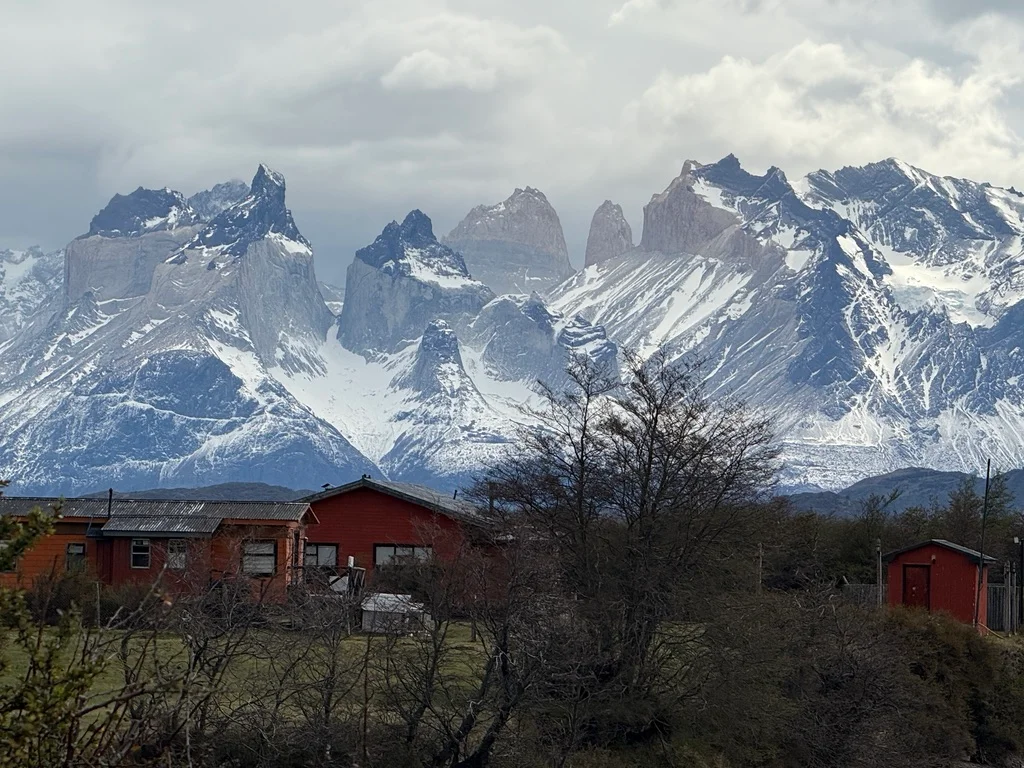
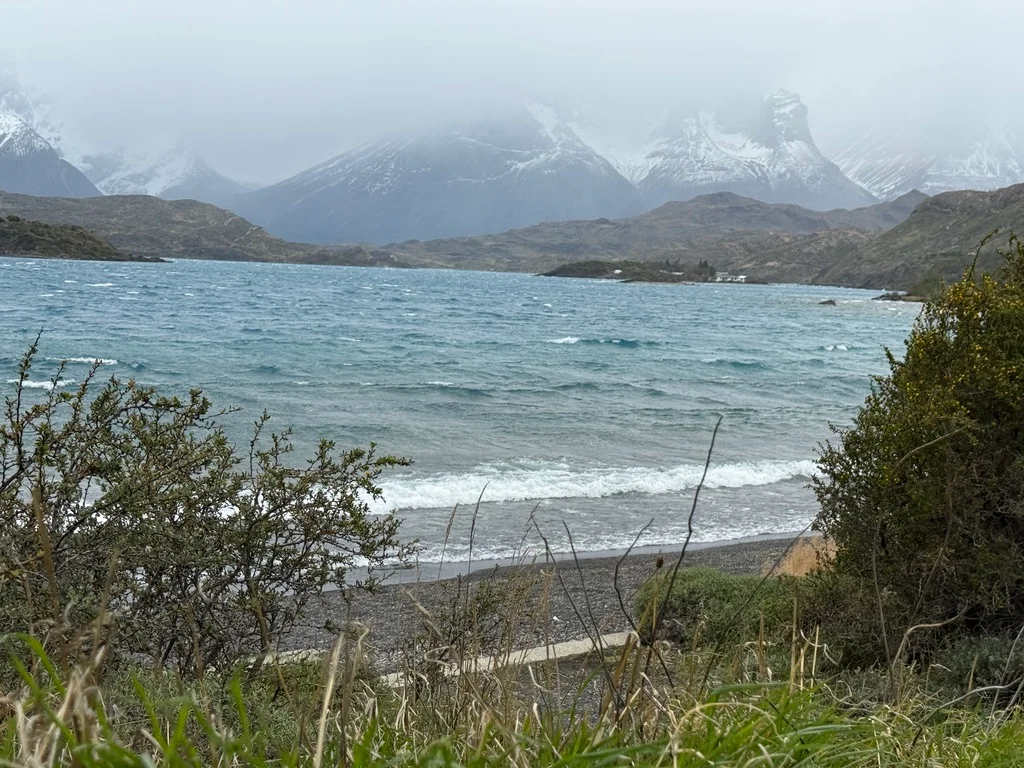
Patagonia hiking consists of outdoor trekking activities across the diverse terrain of the southernmost tip of South America. The region encompasses vast wilderness areas across Chile and Argentina. Trails lead explorers through dramatic granite peaks, massive ice fields, and turquoise glacial lakes. Trekkers encounter unique flora and fauna (Andean condors, guanacos, and subantarctic forests). The experience ranges from short day walks to multi-day backcountry expeditions. High winds and rapidly changing weather conditions define the physical challenge of the region. Routes navigate through national parks (Torres del Paine, Los Glaciares). The activity attracts nature enthusiasts seeking pristine environments and remote solitude. Adventurers require specialized gear (waterproof layers, sturdy boots, camping equipment). The geography includes rugged pampas and steep mountain passes. Travelers witness calving glaciers and cascading waterfalls throughout the journey. Hiking here provides a deep connection to one of the last wild frontiers on Earth.
Day 1: 12 km (Km 82 to Wayllabamba).
Day 1 of the trek from Km 82 to Wayllabamba covers a distance of 12 km, marking the first leg of the journey. Key factors that contribute to the trek's difficulty and experience include altitude, pace, variation in terrain, and distance. The altitude plays a crucial role, as the starting point at Km 82 is at around 2,600 meters (8,530 feet), and the destination, Wayllabamba, sits at 3,000 meters (9,840 feet). The gradual climb requires trekkers to adjust to the thinner air, which affects stamina and pace.
Day 2: 11 km (Wayllabamba to Pacaymayo).
Day 2 of the trek from Wayllabamba to Pacaymayo covers a distance of 11 km, marking a significant step in the journey. Key factors that contribute to the trek's difficulty and experience include altitude, pace, variation in terrain, and distance. The altitude plays a crucial role, as trekkers ascend from around 3,000 meters (9,840 feet) at Wayllabamba to 3,600 meters (11,810 feet) at Pacaymayo.
Day 3: 16 km (Pacaymayo to Wiñay Wayna).
Day 3 of the trek from Pacaymayo to Wiñay Wayna covers a distance of 16 km, marking one of the longest and most challenging days of the journey. Key factors that contribute to the trek's difficulty and experience include altitude, pace, variation in terrain, and distance.
Day 4: 3 km (Wiñay Wayna to Machu Picchu).
Day 4 of the trek from Wiñay Wayna to Machu Picchu covers a distance of 3 km, marking the final leg of the journey. Key factors that contribute to the trek's difficulty and experience include altitude, pace, variation in terrain, and distance.
Inca Trail 4 Days FAQs
Things to pack for the 4-Day Inca Trail are listed below.
- Hiking Boots: Sturdy, waterproof boots provide ankle support and traction on rough terrain. The boots are essential for preventing injuries during long, challenging hikes.
- Socks: Choose moisture-wicking socks that help keep your feet dry and reduce the risk of blisters. It is advisable to bring several pairs for comfort and hygiene.
- Base Layers: The lightweight layers help wick moisture away from the skin to keep trekkers dry and comfortable. Base layers must be breathable and quick-drying.
- Mid-Layers: Insulating mid-layers provide warmth during cold mornings or evenings. Fleece or down jackets work well to regulate body temperature.
- Outer Layers: Waterproof, windproof jackets protect from rain and wind while hiking. Choose a lightweight, breathable option that’s easy to pack.
- Hiking Pants or Shorts: Lightweight, durable pants or shorts are designed for flexibility and comfort on the trail. Choose materials that dry quickly and resist abrasion.
- Shirts: Moisture-wicking shirts help keep cool and dry during the hike. Opt for long-sleeve options to protect against the sun and insects.
- Camp Shoes: Lightweight, comfortable shoes for relaxation at camp after a day of hiking. Look for easy slip-ons or sandals to give the feet a break.
- Daypack: A small, lightweight backpack to carry essentials like water, snacks, and a camera. The daypack must be comfortable and large enough for daily needs.
- Sleeping Bag: A high-altitude sleeping bag that provides warmth during cold nights. Choose one rated for temperatures below freezing to ensure comfort.
- Trekking Poles: Poles help with stability, balance, and reduce strain on the knees on uneven terrain. Adjustable poles are ideal for different hiking conditions.
- Water Bottles or Bladder: Staying hydrated is crucial, so carry enough water for the trail. A hydration bladder offers easy access to water without stopping.
- Headlamp: A headlamp provides hands-free lighting during early mornings or evenings on the trail. It is essential for navigating in low-light conditions.
- Passport: Required for entry into the Inca Trail and Machu Picchu. Always keep it on hand as proof of identity and permit.
- Cash: Small amounts of cash are helpful for tips or purchasing snacks or souvenirs. There are areas that do not accept credit cards, so keep local currency handy.
- Dry Bags: The waterproof bags protect electronics, clothes, and other items from rain. Dry bags are essential for keeping important belongings dry on the trail.
- Sun Protection: Sunscreen and sunglasses are essential to protect your skin and eyes from the strong sun at high altitudes. Apply regularly during the hike.
- Insect Repellent: To protect against mosquito bites and other insects in the jungle sections of the trail. Opt for a repellent with N, N-Diethyl-meta-toluamide (DEET) or natural alternatives.
- Toiletries: Bring travel-sized essentials such as toothpaste, a toothbrush, and wet wipes for personal hygiene. Hygiene is important for comfort during multi-day treks.
- First-Aid Kit: A basic first-aid kit includes band-aids, antiseptic wipes, pain relievers, and blister treatment. It is essential for handling minor injuries during the trek.
- Electrolyte Tablets: The tablets help replenish lost minerals and electrolytes from sweating. The tablets are useful to prevent dehydration and maintain energy levels, belonging to the Inca Trail Packing List.
The fitness level needed for the 4-day Inca Trail is moderate to high, as the trek involves long days of hiking at varying altitudes and terrains. Stamina and endurance are crucial, as trekkers need to maintain a steady pace over distances ranging from 12 km to 16 km each day. Physical preparation makes the hike more manageable, while the trail includes steep ascents and descents. Focus on cardiovascular fitness, leg strength, and endurance to handle the physical demands of the trek on days with significant altitude gain. Altitude adaptation plays a key role in the Inca Trail experience, as trekkers ascend to heights over 4,200 meters (13,780 feet) at the Warmiwañusca Pass. Proper acclimatization is necessary to avoid altitude sickness, so preparing for high-altitude hiking through gradual exposure is highly recommended. Being in good physical shape helps ensure the trek is a safe, enjoyable, and successful experience.
You should plan a 4-Day Inca Trail itinerary by following the four steps below.
- Plan the Route for Each Day: Begin the trek at Km 82 and hike 12 km to Wayllabamba. The section involves a gradual climb, which helps with acclimatization to the altitude. Breaks must be taken every 2 to 3 hours for hydration and rest. The Wayllabamba campsite serves as the first overnight stop, offering a peaceful environment for rest.
- Focus on Elevation Changes and Terrain: Hike 11 km from Wayllabamba to Pacaymayo. The day includes a challenging ascent to the Warmiwañusca Pass, the highest point on the trail. Breaks must be taken at regular intervals after reaching the pass to recover and enjoy the surrounding views. The Pacaymayo campsite provides a restful stop to recuperate after the climb.
- Consider Terrain and Physical Effort: Hike a distance of 16 km from Pacaymayo to Wiñay Wayna. The trail includes a variety of terrain, including steep sections and visits to Inca sites. Plan for breaks every 2 to 3 hours after more difficult sections. Wiñay Wayna campsite offers stunning views and serves as a relaxing spot before the final stretch.
- Plan for the Final Ascent and Destination: Trek a short 3 km from Wiñay Wayna to Machu Picchu. Begin early to reach the Sun Gate for a beautiful sunrise and panoramic views of Machu Picchu below. Breaks must be taken along the way to enjoy the scenic surroundings before arriving at the iconic site for exploration and reflection.
The Classic 4-Day Inca Trail covers a total distance of 43 km (26.7 miles), from Km 82 to Machu Picchu. The iconic journey is divided into four days, with each day presenting unique challenges and breathtaking views. Day 1 spans 12 km (7.5 miles) from Km 82 to Wayllabamba, Day 2 covers 11 km (6.8 miles) from Wayllabamba to Pacaymayo, Day 3 involves 16 km (9.9 miles) from Pacaymayo to Wiñay Wayna, and Day 4 is the shortest at 3 km (1.9 miles) from Wiñay Wayna to Machu Picchu. The trail features a combination of ascents, descents, and significant altitude changes, making acclimatization and stamina essential for a successful trek. Trekkers are rewarded with stunning views of the Andean mountains, lush forests, and the opportunity to explore the ancient site of Machu Picchu.
The highest point on the 4-day Inca Trail is Warmiwañusca Pass (Dead Woman’s Pass), which sits at an elevation of 4,215 meters (13,829 feet) above sea level. The challenging section of the trail occurs on Day 2, and the ascent to the pass is one of the most strenuous parts of the journey. Trekkers must navigate steep, rocky terrain and high-altitude conditions, making the hike physically demanding. The significant altitude presents a challenge for trekkers, as the thin air at such heights causes fatigue and shortness of breath, requiring adequate acclimatization beforehand. Reaching the summit of Warmiwañusca Pass is a major accomplishment and offers spectacular views of the surrounding mountains and valleys. The pass is the highest point of the trek for hikers, and it highlights the altitude challenge that makes the Inca Trail a memorable and rewarding experience.
The 4-day Inca Trail trek is considered moderately difficult to challenging, depending on a hiker's fitness level and experience. The difficulty arises from the combination of steep climbs and descents, varying terrain, and altitude changes. Trekkers face the toughest section, with a strenuous ascent to the Warmiwañusca Pass (Dead Woman’s Pass) at 4,215 meters (13,829 feet) on day 2, followed by a descent into the Pacaymayo Valley. The uneven paths, rocky steps, and constant elevation changes make the trail physically demanding, requiring good endurance and stamina. The altitude affects hikers, as the thinner air at higher elevations makes breathing more difficult. The factors, combined with the long daily distances, add to the challenge of completing the trek. The trail offers rewarding views and the sense of accomplishment from completing the hike despite these difficulties. How Hard is the Inca Trail depends on preparation, with physical fitness and altitude acclimatization playing a key role in tackling the trek successfully.
Hiking the Inca Trail to Machu Picchu is a challenging trek that requires significant physical endurance. The trek is intense due to its long days of hiking, with each day covering varying distances between 12 km and 16 km, under steep and rugged conditions. The terrain consists of rocky paths, steep ascents, and descents, which test a hiker’s strength and stability. On Day 2, the ascent to Warmiwañusca Pass (Dead Woman’s Pass) at 4,215 meters (13,829 feet) is particularly taxing, requiring trekkers to maintain a steady pace while navigating high-altitude conditions. The combination of physical exertion, long hours on the trail, and unpredictable weather adds to the overall difficulty. Proper preparation is essential for stamina and mental strength, as the hike requires endurance to complete each day’s segment. Altitude is a factor, with the need for acclimatization to avoid altitude sickness. The challenge of hiking the Inca Trail is matched by the immense reward of reaching Machu Picchu, making it a memorable and physically demanding journey.
The Machu Picchu trek via the Inca Trail is a breathtaking and engaging journey through diverse landscapes, offering an unforgettable experience. The trail stretches over 43 km (26.7 miles) and takes trekkers through various ecosystems, including lush forests, high-altitude deserts, and alpine meadows. The scenery constantly changes as hikers ascend, offering views of snow-capped mountains, deep valleys, and the iconic peaks of the Andes. Trekkers encounter Inca ruins, including impressive sites (Wiñay Wayna and Sayacmarca), which provide a glimpse into the ancient civilization that once thrived in the region. The ruins, combined with the surrounding landscapes, create a unique atmosphere of cultural immersion. The Inca Trail offers a physical challenge and an opportunity to experience the rich cultural heritage of the Incas, as hikers follow their ancient paths, with each step providing a deeper connection to the history of the region. The combination of natural beauty and historical significance makes the trek to Machu Picchu a sought-after hiking experience in the world.
Trekking the Inca Trail to Machu Picchu offers a unique experience compared to other Machu Picchu hikes. The Inca Trail spans 43 km (26.7 miles), taking 4 days to complete, while other hikes like the Salkantay Trail are longer, covering up to 74 km (46 miles) in 5 days. The Inca Trail offers unparalleled views, with trekkers passing through varied landscapes, from lush cloud forests to high-altitude deserts, despite being shorter. The views are stunning vistas of the Andes. Other trails (the Lares or Salkantay trails) provide beautiful scenery, but the Inca Trail is unique for its connection to ancient Inca ruins, including well-preserved sites like Wiñay Wayna and Sayacmarca. The ruins are integral to the cultural experience as hikers follow the same paths that the Incas once used to access Machu Picchu. The Inca Trail stands out for its rich cultural immersion, as it is the only trail that leads directly into Machu Picchu through the famous Sun Gate, offering a spiritual and historical experience that is not replicated on other hikes. The combination of natural beauty, historical significance, and ancient Inca features makes the Inca Trail trek the most iconic and sought-after hiking experience to reach Machu Picchu.
The hike from the Inca Trail to Machu Picchu takes 4 days. The trek spans 43 km (26.7 miles), with each day covering a different section of the trail. Day 1 covers 12 km (7.5 miles) from Km 82 to Wayllabamba, Day 2 involves a strenuous 11 km (6.8 miles) to Pacaymayo, Day 3 is the longest at 16 km (9.9 miles) to Wiñay Wayna, and Day 4 is a short 3 km (1.9 miles) hike to Machu Picchu. The total time varies depending on the pace, fitness level, and number of breaks taken, but on average, it takes about 4 days to complete the entire trek. It makes the Inca Trail to Machu Picchu a well-paced and challenging journey that allows trekkers to experience stunning views, Inca ruins, and diverse landscapes along the way.
The 4‑day Inca Trail costs between $800 to $1,200 per tourist for standard group tours that include guides, tents, meals, and porter services. Tour operators pay mandatory permits issued by the government, and the permits are limited and affect pricing due to high demand. Permits and service fees cover entry to the trail, campsite reservations, and entrance to Machu Picchu, and the fees are bundled into the tour price rather than charged separately. Seasonal variations influence cost, with peak season (May through September) seeing higher prices due to increased demand and limited trail slots. Shoulder seasons offer lower prices, but there are fewer available tour dates. Additional costs (train tickets from Aguas Calientes to Cusco and personal gear) are separate from the base tour price, so budgeting must account for the expenses. The Inca Trail Cost reflects permit scarcity, included services, and seasonal demand dynamics.
The factors that affect the price of an Inca Trail tour are listed below.
- Group Size: The group size influences the cost of permits and logistics for an Inca Trail tour. Smaller groups require more guides or porters per tourist, raising the per‑person cost. Larger groups split the fixed costs, reducing the price for each trekker.
- Permits and Government Fees: The permits and government service fees make up a major portion of the price. The Peruvian government limits the number of permits, and limited availability drives demand and cost. Permit pricing fluctuates based on policy changes or seasonal demand.
- Meals and Catering: The meal quality and catering service levels affect pricing for the trek. Standard meals provide balanced nutrition on the trail, while upgraded menus offer premium ingredients or special dietary options. Tour companies include meal planning, preparation, and cleanup in the service package.
- Porters and Support Staff: The price of a tour is affected by the inclusion of porters and support staff, which improves the quality of the experience. Porters carry gear, set up camps, and support the group, improving efficiency and comfort. Higher porter‑to‑trekker ratios or more experienced staff raise the per‑person cost.
- Luxury Options and Upgrades: The upgrades add amenities that raise tour pricing. Upgrades include higher‑quality camping equipment, gourmet meals, hot showers at camp, or private tents. The options improve comfort and convenience but increase the cost.
The things Luxury 4-Day Inca Trail tours offer are listed below.
- Upgraded Camping: Luxury tours provide upgraded camping gear and comfort features. High‑quality tents offer more space and sturdier structures. Premium sleeping pads or mattresses improve rest after long days of hiking.
- Gourmet Meals: The gourmet meals elevate the dining experience on the trail. Chefs prepare balanced menus with fresh ingredients and varied options. Meals include multi‑course breakfasts, lunches, and dinners tailored to dietary needs.
- Personalized Guides: The personalized guides improve the trek experience. Guides offer detailed historical insights and trail knowledge at a deeper level. Smaller group sizes allow guides to focus more on individual interests.
- Improved Support Staff: Luxury tours include a higher ratio of support staff (porters and assistants). A larger support team speeds up camp setup and gear management. Improved support reduces physical strain for trekkers.
- Extras and Amenities: The extras and amenities distinguish luxury offerings from standard tours. Items include hot beverages at camp, premium snacks on the trail, and comfort upgrades (portable chairs). The added touches improve comfort and convenience in Luxury Inca Trail Tours.
Yes, all‑inclusive Inca Trail packages are worth it for trekkers because they simplify logistics and provide a more comfortable experience. The Inca Trail packages bundle key elements of the trek (permits, guides, porters, camping equipment, meals, and transportation) into a single service, reducing the complexity of planning and the risk of missing essential requirements. Permits for the Inca Trail are limited and must be secured in advance, and an all‑inclusive package ensures the permits are obtained on time, preventing last‑minute issues. Guides included in the packages provide historical and cultural context at archaeological sites along the trail, improving the experience beyond what a self‑organized trek offers. Porters in all‑inclusive tours carry heavy gear, allowing trekkers to focus energy on hiking and altitude adaptation rather than managing equipment. Meals prepared by professional staff maintain balanced nutrition through the varied terrain and long days. The convenience, support, and peace of mind all‑inclusive tours provide justify the expense, while they cost more upfront than organizing individual components. The detailed planning, support infrastructure, and guided interpretation embedded in Inca Trail packages make them valuable for hikers.
Yes, there are private 4‑day Inca Trail tours available. The private 4-Day Inca Trail tours offer a tailored trekking experience. Private tours assign a dedicated guide and support staff to a specific group, which allows pacing that aligns with the group’s ability and interests. The tours include all required permits, meals, camping equipment, and porter services, just like standard group packages, but with more personalized attention and flexibility on breaks and daily schedules. Smaller group size improves rest planning, social interaction, and the opportunity for deeper cultural interpretation at archaeological sites along the route. Logistics (transportation, meals, and gear) are coordinated by the tour operator, reducing planning stress and ensuring all regulatory requirements are met. The improved service, comfort, and custom itinerary elements justify the higher cost for trekkers seeking a distinctive adventure, while private options are more expensive than shared group tours. The Private Inca Trail Tours provide a more individualized trek experience.
The 4-day Inca Trail booking works through licensed tour agencies that are authorized to handle permits and trekking logistics. Trekkers select a reputable agency and provide necessary details, such as passport information, for permit registration. The permits are processed and confirmed, with confirmation received once the permits are secured, once the agency submits the information. The booking process requires an initial deposit to hold the permits, followed by full payment by a specified deadline. Availability is limited, with only a certain number of permits issued each day, so early booking is essential, months in advance, to guarantee a spot on the trail. Licensed agencies manage all aspects of the trek, including permits, guides, meals, and camping logistics, ensuring compliance with regulations and offering a seamless experience. The Inca Trail booking involves early planning, secure payment, and working through certified providers to guarantee a successful trek.
You should book the 4-Day Inca Trail six to nine months in advance. The advance booking is due to the limited availability of permits, which are regulated by the Peruvian government and sell out quickly during the peak season from May to September. Demand is high due to the favorable weather conditions, making it essential to secure the spot well in advance during peak season. Booking early ensures getting the necessary permits and the required services (guides, porters, and camping arrangements). The scarcity of permits and the popularity of the trek make early booking crucial to avoid disappointment and to ensure a smooth experience on the trail.
The permits that are available for the 4-day Inca Trail are listed below.
- Permit Allocation: The Peruvian government sets a strict daily limit on permits for the Inca Trail to protect the environment and manage crowd levels. A fixed number of permits is released each day, and once sold out, no additional trekkers are allowed to start the route.
- Daily Permit Numbers: 500 permits are available per day for the Inca Trail. The number includes permits for all hikers, support staff (guides and porters), and agency personnel who accompany groups.
- Rules and Limits: Permit limits are enforced by immigration checkpoints at the trail entrances, which require passport verification linked to the permit. The Inca Trail Permit numbers are non‑transferable, tied to specific dates, and unavailable for resale once issued.
No, you cannot book the 4-day Inca Trail without a tour operator. The Peruvian government requires trekkers to book their Inca Trail permits through licensed tour operators. The operators are responsible for securing the necessary permits, providing guides, and coordinating logistics (camping equipment and meals). Independent trekking on the Inca Trail is not permitted, as it is managed to ensure safety, environmental preservation, and a high-quality experience for all trekkers. The Inca Trail requires a tour operator for all participants, while permits for other treks to Machu Picchu are available for independent bookings.
No, you cannot hike the 4-day Inca Trail independently. The Peruvian government requires all trekkers to use a licensed tour operator to hike the Inca Trail. Independent trekking is not permitted for safety, environmental protection, and to manage the number of visitors on the trail. The tour operators handle the necessary permits, provide guides, porters, camping equipment, and meals, ensuring compliance with regulations. The structured approach helps preserve the Inca Trail and ensures trekkers have a safe, guided experience. The Inca Trail requires a licensed operator for all trekkers, while other trails(Salkantay Trail and Lares Trek) to Machu Picchu allow independent hiking.
You can find an Inca Trail Map to Machu Picchu in the platforms listed below.
- Online Resources: Websites provide downloadable or interactive Inca Trail maps. Websites like the official Peru government tourism page, trekking forums, and blogs offer detailed maps that highlight the route, campsites, and key landmarks along the trail.
- Guidebooks: Popular guidebooks (Lonely Planet or Footprint) include maps of the Inca Trail in their trekking sections. The maps provide an overview of the entire trail, including altitudes, major archaeological sites, and daily stages, along with useful tips for trekkers.
- Tour Agencies: The tour agencies offering Inca Trail packages provide detailed maps to their clients. The maps include specifics on the daily route, camp locations, and other important features of the trek. Tour operators provide hard copies during orientation sessions before the trek.
- Route Details: An Inca Trail map shows the trail’s four main sections, including Km 82 to Wayllabamba, Wayllabamba to Pacaymayo, Pacaymayo to Wiñay Wayna, and Wiñay Wayna to Machu Picchu. It highlights landmarks such as Dead Woman’s Pass, Wiñay Wayna, and the Sun Gate.
A 4-day Inca Trail Map shows the things listed below.
- Trail Features: A 4-day Inca Trail map displays the full route from Km 82 to Machu Picchu, with detailed sections of the trail. The map highlights key landmarks, elevation changes, and the location of important campsites. It provides an overview of the terrain, including steep climbs, descents, and the areas trekkers encounter.
- Elevation: The map shows the elevation at each checkpoint along the trail (Dead Woman’s Pass) at 4,215 meters (13,829 feet), the highest point on the trek. It marks elevation changes, helping trekkers understand the challenges of altitude during their journey.
- Campsites: The map indicates the locations of the key campsites along the trail, including Wayllabamba, Pacaymayo, and Wiñay Wayna. The campsites provide rest points where trekkers set up for the night, and the map highlights their relative positions in relation to the route.
- Landmarks: Inca Trail maps highlight important Inca archaeological sites and ruins along the route (Sayacmarca, Phuyupatamarca, and Wiñay Wayna), providing historical context and interest points throughout the hike.
- Checkpoints and Highlights: The map outlines major checkpoints, where permits are checked, and trekkers rest briefly. The checkpoints include Km 82, Warmiwañusca, and Wiñay Wayna, and they help guide trekkers as they move along the trail. The map highlights scenic viewpoints and key features (Sun Gate), the entry point to Machu Picchu.