
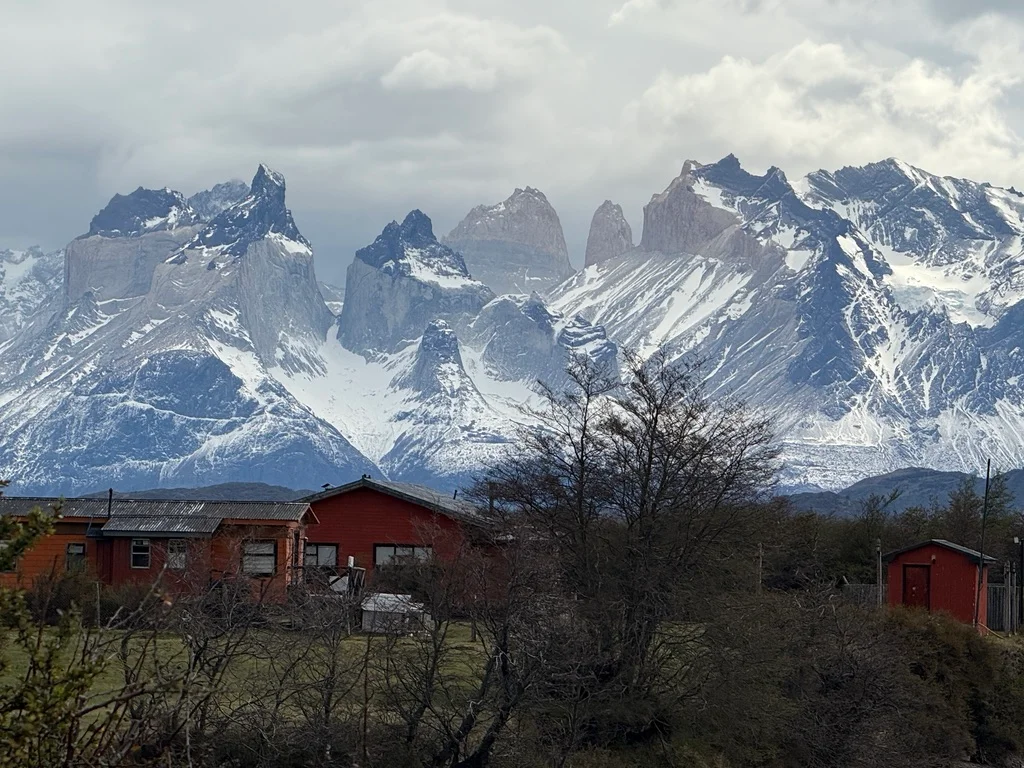
Best Time to Visit Salkantay Trek in Peru
Salkantay Trek conditions shift dramatically from season (November to March) to season (May to September), making timing a deciding factor in trek quality. Rainfall from November to March reaches up to 150mm per month, turning trails muddy and increasing landslide risk. The dry season (May to September), by contrast, draws the highest number of trekkers, with June, July, and August recording peak trail traffic. Shoulder months (April and October) present a middle ground, offering manageable crowds and moderate rainfall. Knowing the best time to do the Salkantay Trek improves safety, comfort, and overall experience across the 74km route connecting Cusco to Machu Picchu.
The best time to do the Salkantay Trek runs from May to September, the dry season (May to September), when rainfall drops below 30mm per month, and trail conditions remain firm and navigable. Clear skies during the dry season (May to September) allow full visibility of Salkantay Pass at 4,638m, a defining feature of the route. Daytime temperatures at mid-elevation range from 12°C to 18°C, providing comfortable trekking windows. Nighttime temperatures near the pass fall to -5°C to -10°C, requiring proper thermal gear. Trekking demand peaks in June, July, and August, with tour operators reporting 60% to 70% of annual bookings concentrated in the dry season (May to September). April and October serve as viable alternatives, offering reduced crowds with only a moderate increase in rainfall. The Salkantay Peru Guide outlines route-specific conditions that reinforce the dry season (May to September) as the most reliable window for the <a href="https://www.evolutiontreksperu.com/salkantay-peru-guide-tours-hiking-maps-buildings-facts-and-history/l">Salkantay Trek.
Salkantay Trek weather varies significantly across two primary seasons, with altitude amplifying the effects at every elevation zone along the route. The dry season (May to September) brings minimal precipitation, with monthly rainfall averaging 20mm to 40mm at mid-elevation and near-zero cloud coverage over Salkantay Pass. The wet season (November to March) reverses the pattern, with monthly rainfall reaching 120mm to 150mm in the lower valleys and consistent afternoon storms above 3,500m. Temperatures at the 4,638m pass fluctuate from -5°C to -15°C at night year-round, with the wet season (November to March) adding wind chill from storm systems. The transitional months (April and October) record intermediate rainfall from 50mm to 80mm per month, with partial cloud cover and cooler temperatures at altitude. Lower sections of the trek (1,400m to 2,800m) near the cloud forest zone remain humid year-round, with wet season (November to March) conditions pushing humidity above 85%. The Salkantay Weather across elevations directly determines trail passability, gear requirements, and acclimatization demands throughout the trek.
Dry season (May to September) weather on the Salkantay Trek delivers clear skies, firm trails, and reliable mountain visibility across the full 74km route. Daytime temperatures at mid-trail elevations (2,800m to 3,500m) range from 10°C to 20°C, dropping sharply to -5°C to -10°C near Salkantay Pass at night. Rainfall stays below 30mm per month from June to August, the peak of the dry season (May to September), keeping river crossings manageable and path surfaces compact. Salkantay Pass becomes fully visible in clear conditions, rewarding trekkers with unobstructed views of the 6,271m Salkantay Mountain. Trail popularity peaks during the dry season (May to September), with campsites near Soraypampa and Wayracmachay filling 3 to 5 days in advance. May and September mark the shoulder edges of the dry season (May to September), offering comparable trail conditions with slightly lower trekker volume. Cold nights remain the primary gear consideration, making thermal layers and a sleeping bag rated to -10°C a standard requirement.
Rainy season (November to March) on the Salkantay Trek brings heavy afternoon downpours, persistent cloud cover, and trail conditions that challenge even experienced trekkers. Monthly rainfall from December to February peaks at 120mm to 150mm, saturating trail surfaces and turning steep sections into muddy, slippery passages. River crossings along the route rise significantly, with some paths near the lower cloud forest zone becoming temporarily impassable. Landslide risk increases above 3,000m, particularly near exposed ridgelines between the Humantay Lake trail junction and Salkantay Pass. Visibility at the 4,638m pass drops considerably, with cloud coverage obscuring mountain views for most of the wet season (November to March). January and February record the highest precipitation and are widely regarded as the least suitable months for trekking. The rainy season (November to March) does reduce trail traffic by 40% to 60% compared to peak months, and lower valley sections display dense green vegetation and active waterfalls. Preparation with full waterproof gear remains non-negotiable during the wet season (November to March).
The weather at Salkantay Pass, sitting at 4,638m above sea level, creates the most demanding section of the entire trek, regardless of season. Temperatures at the pass drop to -5°C to -15°C at night and rarely exceed 5°C to 8°C during daytime crossings. Wind exposure at the summit ridge intensifies cold perception, with gusts reaching 40km/h to 60km/h during unstable weather patterns in the wet season (November to March). During the dry season (May to September), clear morning crossings are standard practice, with most groups departing campsites at 3:00 AM to 5:00 AM to reach the pass before afternoon clouds develop. Oxygen levels at 4,638m measure approximately 40% to 45% lower than at sea level, placing direct physical strain on trekkers without prior acclimatization in Cusco (3,400m). Sudden weather shifts at the pass occur year-round, with temperature drops of 10°C to 15°C developing within 30 minutes during incoming storm cells. Rain, snow, and hail have all been recorded at the pass across all months, making layered clothing and wind protection mandatory.
The months offering the best balance of weather and crowd levels on the Salkantay Trek is listed below.
| Month | Weather Conditions | Crowd Levels | Trekking Difficulty |
|---|---|---|---|
| January | Heavy rain, 130–150mm/month, limited visibility | Low | High |
| February | Peak rainfall, frequent storms | Very Low | Very High |
| March | Decreasing rain, muddy trails | Low | High |
| April | Moderate rain, 60–80mm/month, partial clouds | Moderate | Moderate |
| May | Minimal rain, clearing skies, cool | Moderate–High | Low–Moderate |
| June | Dry, clear skies, cold nights (-8°C) | High | Low |
| July | Peak dry season, best visibility | Very High | Low |
| August | Dry, strong sun, cold nights | High | Low |
| September | Late dry season, occasional clouds | Moderate | Low–Moderate |
| October | Transitional, 50–70mm/month, some rain | Moderate | Moderate |
| November | Increasing rain, slippery trails | Low–Moderate | Moderate–High |
| December | Wet season onset, 90–110mm/month | Low | High |
April and October present the strongest balance of manageable weather and reduced trail congestion. Rainfall in April averages 60mm to 80mm per month, with trails drying between showers. October records similar precipitation patterns before the wet season (November to March) intensifies. Both months see crowd levels 30% to 50% lower than peak months (June to August), improving campsite access and overall trail experience.
Peak season (June to August) on the Salkantay Trek draws the highest trail traffic of the year, with daily trekker numbers reaching 200 to 400 individuals across the 74km route. Campsites at Soraypampa (3,900m) and Wayracmachay fill to capacity, often requiring advance booking 2 to 3 months ahead. Unlike the Inca Trail, which enforces a strict daily permit cap of 500 people (including guides and porters), the Salkantay Trek has no official permit limit, making overcrowding more pronounced during peak season (June to August). Popular overnight stops experience tents pitched in close proximity, and group departures at Salkantay Pass often coincide between 3:00 AM and 5:00 AM, creating bottlenecks on the narrow summit trail. Tour operators report that July alone accounts for roughly 20% of annual Salkantay bookings. Trekkers prioritizing solitude are better served by shoulder months (April and October), where daily foot traffic drops to 50 to 120 individuals across the same sections.
The advantages of trekking Salkantay in shoulder seasons provide lower crowd density, balanced weather conditions, and improved booking flexibility across key route segments. Shoulder seasons refer to transitional months between peak dry and wet periods, April and October in the Peruvian Andes. Trail usage declines after March rains and before peak dry-season demand, creating a quieter trekking environment. Climatic patterns stabilize during these months, reducing extreme rainfall or heavy dust conditions. Logistical access improves since permits, guides, and accommodations remain available without peak-season pressure.
April and October stand as underrated times for the Salkantay Trek since April marks the transition out of the rainy season, which creates fresh landscapes and reduces rainfall intensity across the route. October signals the early return of rains, yet stable trekking windows dominate most days across high-altitude sections. Travel demand remains lower during both months since peak tourism marketing focuses on June to August. Experienced trekkers select April and October to maintain a balance between scenery quality, physical comfort, and logistical ease.
Budget travelers benefit from lower demand since package prices drop and negotiation opportunities with local operators increase. Photographers capture clear morning skies paired with post-rain vegetation, which produces high-contrast mountain views and vibrant valley colors. First-time trekkers manage physical effort more efficiently since moderate weather reduces strain compared to extreme cold or heavy rainfall periods. Small private groups secure flexible bookings that allow custom pacing, preferred campsites, and focused guide support without fixed group schedules.
The advantages of trekking Salkantay on shoulder season are listed below.
- Reduced Crowd Density: Trail traffic during April and October drops 30% to 50% compared to peak season (June to August), freeing up campsite space and reducing congestion at Salkantay Pass.
- Moderate Weather Conditions: Rainfall in April averages 60mm to 80mm per month, with clear morning windows suitable for high-altitude crossings. October mirrors the pattern as the wet season (November to March) has not yet peaked.
- Lower Tour Costs: Tour operators reduce package rates by 10% to 20% during shoulder months due to lower demand, benefiting budget-conscious trekkers.
- Better Wildlife and Vegetation Activity: The partial rainfall keeps vegetation lush without the trail degradation of the full wet season (November to March), and bird activity in the cloud forest zone increases.
- Greater Availability: Campsites, guides, and porter services carry higher availability in April and October, allowing more flexible trip planning for independent and group trekkers alike.
Beginners hiking the Salkantay Trek face season-dependent conditions that directly affect safety and completion rates. The dry season (May to September) presents the most favorable conditions for first-time trekkers, with firm trails, predictable weather, and clear navigation markers along the 74km route. Night temperatures at Salkantay Pass drop to -5°C to -10°C even in the dry season (May to September), requiring thermal sleeping gear rated appropriately. The rainy season (November to March) raises the difficulty level for beginners considerably, with slippery ascents, swollen river crossings, and reduced visibility at 4,638m creating genuine safety concerns. Altitude remains a challenge year-round; beginners lacking 2 to 3 days of acclimatization in Cusco (3,400m) face heightened risk of altitude sickness near the pass regardless of season. Shoulder months (April and October) offer a viable middle ground for prepared beginners, with trail conditions more stable than the wet season (November to March) and fewer crowds than peak months.
Seasonal variation on the Salkantay Route produces measurable differences in trail condition, weather risk, and physical demand across the year, as outlined below.
| Season | Trail Condition | Weather Risk | Physical Demand |
|---|---|---|---|
| Dry Season (May–Sep) | Firm, dry, well-defined paths | Low – minimal rainfall, clear skies | Moderate – altitude remains the primary challenge |
| Peak Dry (Jun–Aug) | Optimal surface, dusty in lower zones | Very Low | Moderate – high trail traffic, predictable conditions |
| Shoulder Season (Apr & Oct) | Mostly firm, occasional soft sections | Low–Moderate – intermittent showers | Moderate – manageable for prepared trekkers |
| Wet Season (Nov–Mar) | Muddy, slippery, eroded sections | High – daily rainfall, landslide exposure | High – technical footing, swollen crossings |
| Peak Wet (Jan–Feb) | Heavily degraded, partially impassable | Very High – storms, poor visibility | Very High – recommended only for experienced trekkers |
Altitude at Salkantay Pass (4,638m) contributes to physical demand across all seasons, with oxygen levels 40% to 45% lower than at sea level. Rain adds a compounding challenge during the wet season (November to March), turning moderate ascents into high-effort segments. Dry season (May to September) trekkers face cold-night exposure as the primary physical stressor, while wet season (November to March) trekkers contend with both cold and trail degradation simultaneously.
Rainfall on the Salkantay Trail directly degrades trail surfaces, raising both physical difficulty and safety risk across the 74km route. Monthly precipitation from December to February reaches 120mm to 150mm, saturating clay-heavy sections and creating deep mud channels on inclined paths. Steep descents toward the cloud forest zone (1,400m to 2,800m) become particularly hazardous, with trekkers reporting 3 to 4 times more slips per kilometer compared to dry season (May to September) conditions. River crossings at mid-route swell during sustained rainfall, with water levels at key fords rising 0.5m to 1.5m above dry-season baselines. Landslide occurrence near exposed ridgelines above 3,500m increases from October onward, with incident reports concentrated from January to March. Beginner trekkers face the highest impact from rain, as technical footing on eroded paths requires balance and endurance beyond standard fitness preparation. Experienced trekkers crossing the trail in the wet season (November to March) mitigate risk through early morning starts before peak afternoon rainfall.
Altitude on the Salkantay Trek rises sharply from the starting point at Mollepata (2,800m) to Salkantay Pass at 4,638m, creating a 1,838m elevation gain that strains cardiovascular output and oxygen uptake. At 4,638m, atmospheric oxygen measures 40% to 45% lower than at sea level, reducing aerobic capacity and increasing fatigue per unit of effort. Symptoms of acute mountain sickness (AMS), including headache, nausea, and dizziness, appear in trekkers who skip acclimatization in Cusco (3,400m) for at least 2 to 3 days before departure. Temperature variation amplifies physical stress at altitude; the temperature difference from the Aguas Calientes end point (1,800m) to Salkantay Pass (4,638m) spans 20°C to 30°C within a single trekking day. Cold at altitude accelerates dehydration and increases caloric demand, with trekkers requiring 3,000 to 4,000 calories per day on ascent days. Gradual elevation gain across days 1 to 2 of the route naturally supports acclimatization before the pass crossing on days 2 to 3.
Trekking Salkantay during the rainy season (November to March) carries an elevated risk but remains feasible with proper preparation and realistic expectations. Trail surfaces from December to February record monthly rainfall of 120mm to 150mm, producing muddy paths, slippery rocks, and swollen river crossings that increase fall and injury risk. Landslides occur most frequently from January to March near ridgelines above 3,500m, with road closures occasionally affecting access routes to the trailhead. Visibility at Salkantay Pass (4,638m) drops to near-zero during storm periods, complicating navigation for independent trekkers. The rainy season (November to March) remains safer for trekkers traveling with licensed guides familiar with current trail conditions and alternate descent routes. March represents the safest entry point into the rainy season (November to March), as rainfall begins tapering and trail conditions start stabilizing. January and February are the months where caution is strongest, and rescheduling to shoulder months (April or October) is the most reliable alternative.
Packing for the Salkantay Trek based on weather conditions is listed below.
- Dry Season Layers (May to September): Pack moisture-wicking base layers that regulate sweat during long ascents. Include an insulated jacket that retains warmth during early mornings and high-altitude nights. Carry a windproof outer shell that blocks strong gusts across exposed passes. Add lightweight trekking pants that handle temperature changes across elevation shifts.
- Shoulder Season Gear (April and October): Pack a waterproof jacket that protects against sudden rain showers. Include quick-dry clothing that prevents discomfort after exposure to moisture. Carry a compact poncho that covers both body and backpack during extended rain. Add extra socks that maintain dryness during multi-day trekking.
- Rainy Season Protection (November to March): Pack a full rain system that includes a jacket and pants with sealed seams. Include a backpack rain cover that prevents gear saturation. Carry waterproof gloves that maintain hand warmth during wet conditions. Add dry bags that protect electronics and clothing inside the backpack.
- Cold Weather Essentials (High Altitude Zones): Pack thermal base layers that retain body heat above 4,000 meters. Include a down or synthetic insulated jacket for freezing night temperatures. Carry a warm hat and gloves that reduce heat loss during rest periods. Add a sleeping bag rated for sub-zero conditions that ensures recovery during overnight camps.
- Sun and Exposure Protection (All Seasons): Pack high-SPF sunscreen that protects skin from strong UV radiation at elevation. Include UV-protection sunglasses that reduce glare across snow and rock surfaces. Carry a wide-brimmed hat that shields the face during long daytime exposure. Add lip balm with SPF to prevent dryness and cracking.
- Footwear and Accessories: Pack broken-in trekking boots that provide ankle support on uneven terrain. Include trekking poles that reduce knee strain during steep descents. Carry gaiters that block mud, dust, and water entry during variable trail conditions. Add a hydration system that maintains consistent water intake across long distances, aligning with what to pack on Salkantay Trek.
- Packing for Salkantay Peru focuses on layering, waterproof protection, and cold-weather readiness across altitude zones, which ensures stability across rapid environmental shifts. Layering systems regulate body temperature during steep ascents, cold passes, and humid descents into jungle terrain, with base layers managing moisture, mid-layers retaining heat, and outer shells blocking wind and rain. Waterproof protection prevents gear saturation through rain jackets, pack covers, and dry storage that safeguard essential equipment and clothing. Cold-weather readiness supports survival at elevations above 4,000 meters where temperatures drop below freezing, requiring insulated jackets, thermal layers, and proper sleeping gear. Proper gear selection improves safety and performance by reducing injury risk, maintaining comfort, and supporting consistent movement across long trekking days.
To prepare for cold temperatures on the Salkantay Trek, follow the six steps below.
- Layer Thermal Base Clothing: Start with a moisture-wicking base layer in merino wool or synthetic fabric rated for sub-zero temperatures. The layer traps body heat without retaining moisture from exertion sweat.
- Add a Mid-Layer Fleece or Down Jacket: A 200g to 300g fleece or a down jacket rated to -5°C provides the primary insulation layer for rest stops and camp temperatures at 3,900m to 4,638m elevations.
- Pack a Shell Outer Layer: A windproof, waterproof shell jacket blocks convective heat loss from gusts reaching 40km/h to 60km/h at Salkantay Pass. The outer shell pairs with inner layers for full-spectrum cold protection.
- Use a Sleeping Bag Rated to -10°C or Below: Nighttime temperatures at Soraypampa camp (3,900m) and near the pass drop to -8°C to -12°C during the dry season (May to September). A bag rated to -10°C to -15°C maintains a safe sleeping temperature.
- Protect Extremities: Insulated gloves, thermal socks rated to -5°C, and a balaclava or thermal hat cover heat-loss points at the fingers, feet, and head, which lose heat 3 to 4 times faster than the torso at altitude.
- Carry Hand Warmers: Disposable chemical hand warmers reaching 50°C to 60°C serve as backup heat sources during rest breaks at the pass and during pre-dawn summit departures from 3:00 AM to 5:00 AM.
To prepare for rain during the Salkantay Trek, follow the six steps below.
- Select Waterproof Footwear: Mid-cut trekking boots with a GORE-TEX or equivalent waterproof membrane rated at 10,000mm+ prevent water penetration on muddy, rain-saturated trails. Avoid low-cut trail runners during the wet season (November to March) treks.
- Fit a Rain Cover over the Backpack: A pack cover rated for sustained rainfall mounts directly over the trekking pack, preventing saturation of gear during 2 to 4-hour afternoon downpours common from December to February.
- Store Electronics in Dry Bags: Dry bags with roll-top closures rated at IP67 or higher keep cameras, phones, and documents dry when pack covers fail during heavy, windblown rain.
- Pack Quick-Dry Clothing: Nylon or polyester trekking pants and shirts dry 70% to 80% faster than cotton equivalents after rain exposure, reducing hypothermia risk from extended wet-clothing contact.
- Avoid Mid-Day High-Altitude Crossings in Wet Season: Afternoon storms above 3,500m arrive predictably from 12:00 PM to 3:00 PM during the wet season (November to March). Starting high-altitude sections before 6:00 AM reduces rain exposure by 60% to 70%.
- Do Not Use Rubber-Soled Sneakers: Sneakers with flat rubber soles have zero traction on wet clay trails, increasing slip falls. Vibram-soled boots with lug depth of 4mm to 6mm provide adequate grip on rainy-season surfaces.
The Salkantay Trek remains open year-round, operating without the permit restrictions applied to the Inca Trail, which caps daily entries at 500 people. Access to the trailhead at Mollepata (2,800m) stays functional across all months, with the primary road from Cusco open 10 to 11 months of the year. Closures occur intermittently from January to March when landslides block the Mollepata access road, with delays ranging from 12 to 72 hours depending on severity. The trek itself carries no regulated closure dates, allowing trekkers to enter at any point during the year. Wet season (November to March) conditions reduce trail passability, particularly near Salkantay Pass (4,638m) and at swollen river crossings, without fully closing the route. Tour operators maintain wet season (November to March) departures with reduced group sizes, adjusted itineraries, and mandatory guide accompaniment. The dry season (May to September) remains the period of highest route safety and uninterrupted access for all trekker types.
Salkantay is considered one of the best Treks in Peru because of the reasons listed below.
- Diverse Landscapes: Salkantay Peru crosses snow-capped peaks, alpine valleys, and tropical forests within a 4 to 5-day trek. Trekkers pass through Salkantay Pass at 4,600 meters before descending into green valleys and river systems. Terrain shifts maintain visual interest and physical challenge across every stage.
- Cultural Experience: Salkantay Peru passes through remote Andean villages where local communities maintain traditional farming and Quechua heritage. Trekkers observe daily routines and interact with local guides and porters who share regional knowledge. Cultural exposure adds depth beyond physical trekking.
- Fewer Restrictions: Salkantay Peru operates without the strict daily permit caps required on the Inca Trail. Independent trekkers and small groups access the route with flexible scheduling and booking timelines. Freedom in planning reduces pressure tied to limited availability.
- Scenic Payoff: Salkantay Peru provides direct views of Mount Salkantay, Humantay Lake, and the transition toward Machu Picchu. Sunrise and sunset views across glaciers and valleys deliver strong visual highlights. Photography opportunities remain consistent across the route.
- Logistical Flexibility: Salkantay Peru supports guided tours, semi-supported hikes, and independent trekking styles. Mules support carrying heavy gear, which reduces physical load across long distances. Route customization fits different fitness levels and pacing preferences, which places Salkantay Peru among the Best Treks in Peru.
- The overall appeal of Salkantay Peru comes from its balance of scenery, culture, and accessibility without strict limitations, which positions Salkantay Peru as a top trekking choice in Peru. Salkantay Peru delivers glacier views, high mountain passes, and jungle valleys within one continuous route, which keeps the trekking experience varied from start to finish. Salkantay Peru provides access without the permit bottlenecks tied to other routes, which allows flexible planning and wider availability for different travel schedules. Salkantay Peru connects remote Andean communities to the path, which adds cultural interaction and local insight across multiple stages of the trek. Salkantay Peru maintains a balance between physical challenge and logistical support through guided options and mule-assisted trekking, which keeps the route achievable for a wide range of fitness levels.
The differences of the Trekking Salkantay from other routes in Peru are listed below.
- Scenery Diversity: Salkantay Peru crosses glaciers, mountain passes, cloud forest, and tropical valleys within a single trek. Visual transitions occur rapidly, which keeps the route dynamic from start to finish. The Inca Trail focuses on archaeological sites and mountain paths with less ecological variation.
- Altitude Variation: Salkantay Peru reaches Salkantay Pass at 4,600 meters before descending into lower jungle elevations. Elevation shifts create a wider physical range compared to the Inca Trail, which maintains a more consistent altitude profile.
- Route Flexibility: Salkantay Peru allows independent trekking, guided tours, and customized itineraries without strict daily permit caps. Travelers adjust pacing and start dates more freely. The Inca Trail requires advance booking due to limited permits and fixed group departures.
- Crowd Levels: Salkantay Peru maintains lower trail density across most months, which supports quieter trekking conditions. The Inca Trail experiences higher congestion due to popularity and restricted entry quotas.
- Logistical Freedom: Salkantay Peru supports mule-assisted trekking and varied accommodation options (camping, lodges). Route planning adapts to different trekking styles and comfort levels. The Inca Trail follows a structured system with assigned campsites and regulated services.
- Experience Focus: Salkantay Peru emphasizes raw landscape and physical challenge across remote terrain. The Inca Trail highlights historical pathways, ruins, and direct entry through the Sun Gate to Machu Picchu.