
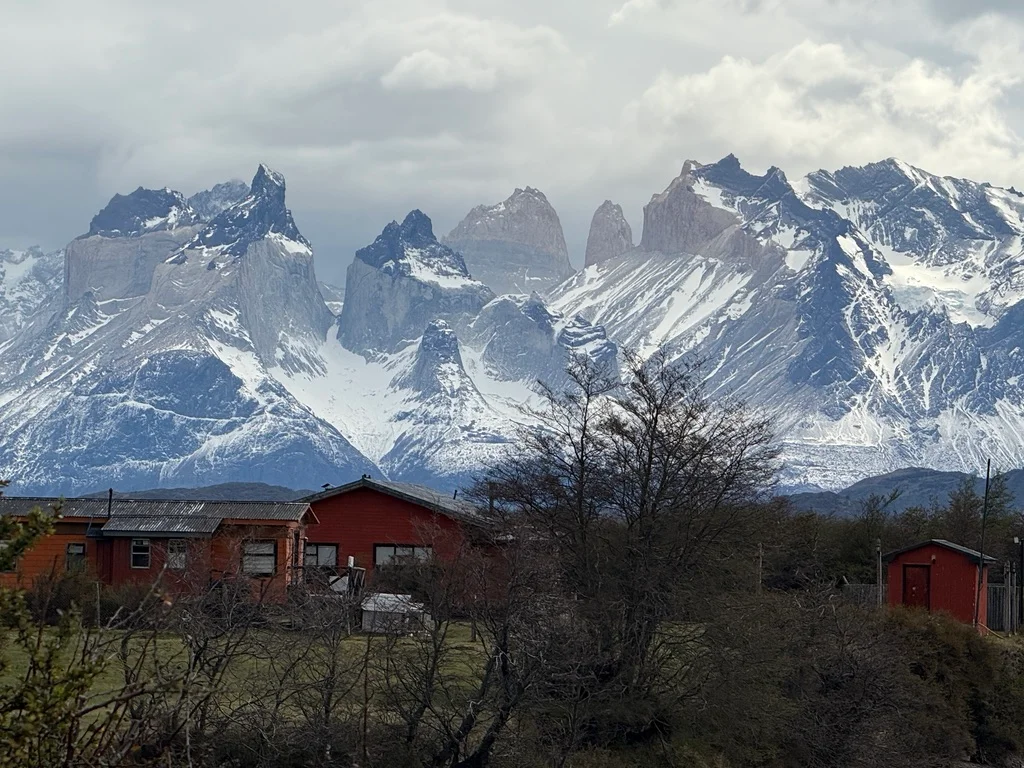
Salkantay Trek Difficulty
What makes the Salkantay Trek so memorable is not just the physical challenge but the sense of connection to nature and culture along the way. Trekkers often describe moments of awe as they pass turquoise lakes, snow-capped peaks, and valleys dotted with small villages. Nights spent in camps or eco-lodges bring crisp mountain air and star-filled skies, deepening the sense of adventure. The route eventually leads to Aguas Calientes, the gateway to Machu Picchu, where the anticipation of reaching the ancient Incan citadel adds emotional weight to the journey. The Salkantay Trek is more than a path to Machu Picchu. The trek is a transformative experience that blends physical endurance, cultural immersion, and the raw beauty of the Andes into one unforgettable adventure.
The Salkantay Trek is considered moderately difficult, primarily due to its high altitude, challenging terrain, and physical demands. Spanning 74 kilometers (46 miles) over 5 days, the trek reaches its highest point at Salkantay Pass at 4,600 meters (15,091 feet), which can lead to altitude sickness if proper acclimatization is not done beforehand. The steep ascents and descents, particularly in the first part of the trek, involve rocky paths and high-altitude conditions that can be physically taxing.
The terrain varies, with trekkers moving from rugged mountain passes to subtropical forests, requiring 6-8 hours of walking per day. Weather conditions, including cold temperatures at higher elevations and the possibility of rain or snow, add to the difficulty. Many trekkers find the effort worthwhile despite the physical challenges, thanks to breathtaking scenery that includes glaciers, lush valleys, and the ultimate reward of reaching Machu Picchu. Proper preparation and physical conditioning are essential for meeting the trek’s demands, making it accessible to those in good shape and ready for a challenging adventure.
The Salkantay Pass stands at an altitude of 4,600 meters (15,091 feet). It is the highest point on the Salkantay Trek, making it a challenging segment for trekkers due to the thin air and the potential for altitude sickness. Oxygen levels decrease significantly at high elevations, making breathing more difficult, particularly for those not acclimatized to high-altitude conditions.
The Salkantay Pass is not only physically demanding but also offers some of the most stunning views of the trek. Trekkers are rewarded with panoramic vistas of Mount Salkantay, one of the highest peaks in the region, as well as the surrounding glaciers and valleys. Proper acclimatization, including spending time at lower altitudes before starting the trek, is crucial to minimizing the risk of altitude sickness and ensuring a safer and more enjoyable experience.
Yes, you can definitely prepare for the Salkantay Trek to Machu Picchu. Proper preparation is key to ensuring a safe and enjoyable experience on this challenging trek. To start, physical preparation is essential. Since the trek covers 74 kilometers (46 miles) over 5 days, with steep ascents and descents, it is recommended to build endurance by doing regular cardio exercises like hiking, running, or cycling. Training at higher altitudes, if possible, will help acclimate your body to reduced oxygen levels, preparing you for the Salkantay Pass at 4,600 meters (15,091 feet).
Packing the right gear is just as important as physical training. Essential items include sturdy hiking boots, a waterproof jacket, layered clothing, and trekking poles to ensure stability and comfort on rocky terrain. Don’t forget sun protection and hydration systems. In terms of health precautions, acclimatization is essential to avoid altitude sickness. Spend at least 2-3 days in Cusco or another high-altitude location before starting the trek to give your body time to adjust. Additionally, staying hydrated, taking it slow during the trek, and listening to your body will help mitigate the effects of altitude and ensure you enjoy the trek to Machu Picchu.
The Best Months to visit for the Salkantay Trek are listed below.
- April to October: The dry season in Peru, making it the best time to hike the Salkantay Trek. These months offer the most stable weather, with clear skies and lower chances of rain, making it ideal for trekking and enjoying the stunning mountain views.
- May to September: Particularly the peak months of the dry season. While temperatures are cooler, the conditions are perfect for hiking, especially around the high-altitude Salkantay Pass. This period also offers the most frequent departures and available services.
- November to March: This is the rainy season in the region. While trekking is possible during these months, conditions are less ideal due to increased rainfall, slippery trails, and higher water levels in streams. Fewer people trek at this time, offering a more solitary experience, but the weather remains unpredictable, making this period less favorable compared to the Best months for the Salkantay Trek.
The Key Features of the Salkantay Trek are listed below.
- High Altitude: The Salkantay Trek reaches an altitude of 4,600 meters (15,091 feet) at the Salkantay Pass, offering breathtaking views of glaciers, valleys, and snow-capped peaks. The trek challenges your physical endurance due to the elevation and diverse terrain.
- Diverse Landscapes: The trek features a variety of ecosystems, from the alpine tundra of the Salkantay Pass to the cloud forests and subtropical jungles near Aguas Calientes. This range of landscapes makes the journey visually dynamic and diverse.
- Machu Picchu: The trek ultimately leads to the ancient Machu Picchu, a UNESCO World Heritage site. The views of the Incan citadel from the final stretch of the trek are spectacular, making the journey rewarding for hikers.
- Cultural and Natural Heritage: Along the trek, trekkers experience the rich history and culture of the region, from ancient Incan ruins to local Andean communities. The trail also offers opportunities to witness diverse wildlife, including birds, llamas, and other mountain creatures.
- Challenging Terrain: The trek involves steep ascents, rocky paths, and high-altitude conditions, making it suitable for experienced hikers. However, the difficulty is balanced by the stunning scenery and sense of accomplishment when reaching Machu Picchu.
No, the Salkantay Trek is not suitable for beginners. The trek is considered moderately difficult and requires a good level of physical fitness and stamina due to its challenging terrain, high altitude, and long hiking days. The highest point, Salkantay Pass, sits at 4,600 meters (15,091 feet), which can lead to altitude sickness if proper acclimatization isn’t done. The trek also involves steep ascents, rocky paths, and unpredictable weather, which can be physically demanding, especially for those who have limited hiking experience.
Beginners need prior hiking experience, particularly in high-altitude environments, or should consider an easier alternative trek. With proper physical preparation, training, and acclimatization, some beginners in good physical condition can complete the trek, though it remains a strenuous challenge. New trekkers or those unfamiliar with high-altitude hiking are advised to attempt shorter, less demanding trails before undertaking the Salkantay Trek.
The Salkantay Trek is one of the most popular alternative routes to Machu Picchu, often compared to the Inca Trail, which is the traditional path. The main advantages of the Salkantay Trek lie in its rugged, diverse landscapes and higher altitude. The Salkantay Trek offers less crowded conditions than the Inca Trail, which is often crowded and requires a permit, making it ideal for those seeking a more tranquil and adventurous journey. The route takes trekkers through mountain passes, glacial valleys, cloud forests, and subtropical jungles, offering a wide variety of ecosystems, unlike the more singular focus on Incan heritage along the Inca Trail.
The Salkantay Trek is generally more challenging than the Inca Trail due to its altitude reaching 4,600 meters (15,091 feet) at Salkantay Pass, and rugged terrain with steep ascents and descents. The Inca Trail is slightly easier in terms of elevation, with its highest point at 2,720 meters (8,923 feet), but presents its own difficulties with steep Inca stone steps and limited access. Both treks deliver remarkable scenic rewards: the Salkantay Trek offers dramatic landscapes, including views of the Salkantay Glacier and expansive Andean peaks, while the Inca Trail provides a traditional route to Machu Picchu with a strong emphasis on cultural history. Travelers seeking a physically demanding and visually diverse journey will find the Salkantay Trek exceptional, whereas the Inca Trail appeals to those prioritizing cultural immersion and historical significance.
Best Trek for Different Types of Trekkers:
| Factor | Inca Trail | Salkantay Trek |
|---|---|---|
| Difficulty | Moderate, with steep ascents and Inca stone steps | Moderate to challenging, with higher altitude and rugged terrain |
| Length | 4 days, 43 kilometers (26 miles) | 5 days, 74 kilometers (46 miles) |
| Altitude | Highest point at 2,720 meters (8,923 feet) | Highest point at 4,600 meters (15,091 feet) |
| Scenic Views | Primarily Inca ruins, cloud forests, and valleys | Diverse landscapes, including glaciers, mountains, and subtropical forests |
| Crowd Levels | Very popular, often crowded | Less crowded, offering a more solitary experience |
| Access & Permits | Requires permits and booking months in advance | No permits required, more flexible access |
| Cultural Experience | Rich in Incan history and archaeological sites | Focuses on nature, wildlife, and stunning natural beauty |
The things you need to pack for the Salkantay Trek are listed below.
- Layered Clothing: Pack moisture-wicking base layers (top and bottom) to keep sweat away from your skin. Bring a fleece or down jacket for insulation, especially at higher altitudes and cooler evenings. A waterproof and windproof outer layer (jacket and pants) is essential to protect you against rain and wind, which are common in the high-altitude environment.
- Sturdy Footwear: Choose trekking boots with good ankle support and waterproof features. Ensure they are well-broken-in before the trek to prevent blisters, as you'll be walking on challenging and uneven terrain.
- Trekking Poles: Lightweight trekking poles will reduce strain on your knees during steep ascents and descents, providing stability on rocky and uneven terrain. These will make the trek safer and more comfortable, especially on the rougher sections of the trail.
- Sun Protection: Pack sunscreen with high SPF to protect against UV rays, which can be intense at high altitudes. Bring sunglasses with UV protection to shield your eyes from glare and a hat or cap to provide shade and protect your face from the sun.
- Backpack and Hydration: A daypack (20-30 liters) is essential for carrying snacks, your camera, extra layers, and any personal items. Keep a water bottle or hydration system to stay hydrated throughout the day, as it’s crucial to drink water regularly during the trek.
- Sleeping Gear: If you're camping along the trek, bring a sleeping bag rated for cold temperatures and a sleeping pad for added comfort during overnight stays. These will help ensure you stay warm and well-rested after a long hiking day.
- Health and Safety Supplies: Pack a first-aid kit with basic supplies such as band-aids, antiseptic, pain relievers, and blister treatment. Carry personal medications (if required) and altitude sickness medication, along with water purification tablets or a filter to ensure you have safe drinking water.
- Snacks and Energy Bars: Bring high-energy snacks such as nuts, dried fruit, and energy bars to keep your energy levels up throughout the trek. These snacks are essential for fueling your body during long hiking days.
- Camera and Electronics: Don’t forget a camera with extra memory cards and batteries to capture the stunning landscapes. A portable charger will help keep your electronics powered, especially if you use a GPS or phone for navigation.
- Miscellaneous: Pack a headlamp with extra batteries for early morning or evening activities. A rain cover for your backpack is important in case of unexpected rain. Lastly, bring trash bags to follow the “leave no trace” principle and carry out all waste responsibly, as these items are essential when you Pack for the Salkantay Trek.
The cost of the Salkantay Trek depends on whether you join a guided group or organize the journey on your own. Guided treks range from $230 to $700 USD per person, covering essentials (guides, meals, camping or basic lodging, and entry to Machu Picchu). Premium guided options, which include higher-end services or added comforts, can cost between $695 to $1,100+ USD per person. Choosing to trek independently is far cheaper, since the trail itself has minimal fees (around 20 soles, or about $6). Independent trekkers must still purchase their Machu Picchu permit and arrange logistics such as transportation, food, and camping gear.
Several factors shape the overall price (accommodation style, transport from Cusco, meals, and gear renta)l. Guided treks usually bundle most of these costs, though Machu Picchu permits and train or bus tickets are extra. Independent trekkers face more flexibility, with expenses varying based on whether they camp, stay in budget hostels, or opt for more comfortable lodging. The Salkantay Trek adapts to different budgets, ranging from a basic, rugged adventure to a more luxurious experience. It provides options for both cost-conscious travelers and those seeking added comfort, ensuring that anyone willing to take on the challenge can experience its beauty, with flexibility reflected in the overall Salkantay Trek Cost
The Salkantay Trek usually takes between 4 and 5 days, depending on the route chosen and the pace of the group. The standard itinerary spans 5 days and covers about 74 kilometers (46 miles) from Mollepata to Aguas Calientes, the town at the base of Machu Picchu. Trekkers spend four nights camping or staying in simple lodges along the way, with daily hikes lasting 6 to 9 hours. The most demanding section is the climb to the Salkantay Pass at 4,600 meters (15,091 feet), where altitude and terrain test endurance before the trail descends into gentler valleys and forests.
A 4-day trek option is available for those seeking a shorter journey, often involving a faster pace or slight route adjustments. Regardless of duration, the route showcases a remarkable variety of landscapes, from high-altitude plains and snow-capped peaks to lush cloud forests and scenic valleys, all under the shadow of the towering Salkantay Mountain. The trek concludes in Aguas Calientes, where most groups rest before visiting Machu Picchu the following day.The Salkantay Trek spans four or five days and delivers a powerful combination of challenge, beauty, and anticipation, with the arrival at Machu Picchu serving as the ultimate reward.
Yes, you can do the Salkantay Trek without a guide. Independent trekking on the Salkantay Trail is allowed, but it requires careful preparation. Hikers must obtain the necessary Machu Picchu entry permits and plan their route, transportation, and accommodations. Independent trekkers use a map or GPS to navigate the trail, as the route is marked, but can be challenging due to the remote and rugged terrain.
Trekking without a guide is cheaper but comes with risks, including navigating difficult sections of the trail and managing the effects of high altitude. Independent trekkers must carry their own camping gear, food, and water, or arrange mule services to transport belongings. Many choose to hire guides for a safer and more enriching experience, as local guides share valuable insights into the history, culture, and geography of the region, turning the trek into more than just a physical challenge with the support of a Salkantay Trek Tour Guide.
The safety concerts for the Salkantay Trek are listed below.
- Navigation Challenges: The Salkantay Trek is marked, but some sections can be confusing, especially in areas with multiple forks or where trail markers are not visible. Trekkers should carry a map or GPS device to navigate effectively, particularly when trekking independently without a guide.
- Physical Demands: The trek involves long days of hiking, often between 6 to 9 hours each day, with varying terrain, which can be physically taxing. Trekkers should be in good physical condition and train in advance, focusing on endurance and strength to handle the steep ascents and high-altitude environment.
- Risk of Hypothermia: Due to the altitude and exposure, temperatures at night can drop significantly, sometimes below freezing. Trekkers should carry an adequate sleeping bag rated for cold temperatures and wear warm clothing to protect against the cold, especially during the night at higher elevations.
- Unpredictable Emergencies: Evacuation from remote sections of the Salkantay Trek can be challenging and time-consuming in the event of injury or illness. Trekkers should carry a first-aid kit and keep emergency contact information, including local rescue services, while also considering a satellite phone or emergency beacon for added safety.
- Water Crossing Hazards: River and stream crossings are part of the Salkantay Trek, particularly during the rainy season. Rising water levels can quickly make these crossings dangerous, so trekkers must exercise caution and avoid attempting them during heavy rainfall.
Salkantay weather shapes every aspect of the trek, with the high-altitude environment and shifting seasons demanding preparation and adaptability. Nighttime temperatures at higher elevations on the Salkantay Trek drop well below freezing, creating a serious risk of hypothermia for trekkers without proper gear. The thin, cold air also increases the likelihood of altitude sickness, making physical exertion more difficult. From November to April, heavy rains turn paths into slippery, muddy stretches, slowing progress and raising the risk of falls, when crossing streams or tackling steep terrain.
The dry season from May to October brings clearer skies and warmer days, but nights remain cold, requiring layers for warmth. Sudden drops in temperature or unexpected showers can occur, reminding trekkers that mountain conditions are never fully predictable. Experiencing the Salkantay Trek requires readiness for both extremes wet and cold or sunny and warm with the right gear to stay safe and enjoy the journey, a reality shaped by Salkantay Weather.
The Salkantay Trek concludes in Aguas Calientes, a town nestled along the Urubamba River near Machu Picchu. After finishing the trek, most travelers descend into Aguas Calientes and spend the night there before visiting Machu Picchu the next day. The town serves as the main gateway to the ruins and offers a range of accommodations, restaurants, and services, making it a welcome stop after days on the trail.
Trekkers in Aguas Calientes either take a bus to the entrance of Machu Picchu or hike the steep path to the ruins. The town’s close proximity makes it the final resting point for most adventurers, providing a chance to recharge and prepare for the unforgettable experience of exploring one of the world’s most iconic archaeological sites.
The Salkantay Trek requires permits, with the Machu Picchu entry permit being essential for accessing the archaeological site at the end of the trail. The permit must be purchased in advance through the official government website or authorized agencies, and many trekking companies include it as part of their guided tours.
A specific Salkantay Trek permit is not required, but trekkers must secure either the Inca Trail permit or the Machu Picchu entry permit to visit the ruins. The permits are often bundled with logistics such as transportation and entry tickets. Permits sell out quickly during peak tourist season, so securing them well in advance is crucial. Independent trekkers must also manage these arrangements themselves, including transportation and accommodation permits in Aguas Calientes, which adds another layer of planning to the adventure.